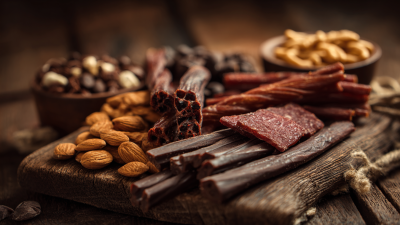
When you're choosing Chicken Jerky treats for your dog, honestly, quality and safety should be at the top of your list. I came across a recent study from the Pet Food Institute, and it turns out that more than 60% of dog owners really care about where the ingredients come from when buying treats. Good quality jerky can actually do wonders—it helps boost your pup’s diet and can even support their overall health. But, let’s be real, not all chicken jerky is created equal.
Dr. Susan N. Kelleher, a trusted vet nutritionist, put it pretty simply: ‘Picking the right treats can make a big difference in your pet’s nutrition and happiness.’ And honestly, that’s so true. The thing is, many store-bought chicken jerky treats have come under scrutiny for quality concerns. So, it’s super important to read labels carefully and know what you’re giving your furry friend.
Even if you do your homework, there’s always a bit of uncertainty. Some treats might have preservatives or additives that aren’t the best for your pup. It’s totally okay to ask brands questions and look for transparency. The market can be a bit overwhelming, no doubt, but if you stay vigilant, you can be confident you’re giving your dog the best Chicken Jerky treats out there.

Understanding the Nutritional Needs of Dogs Regarding Treats
When choosing chicken jerky treats for your dog, understanding their nutritional needs is vital. Dogs require a balanced diet. Treats should complement their main meals. Look for options rich in protein, as this supports muscle development. Healthy fats are also crucial for energy and skin health.
Tips for selecting the best treats:
- Check the ingredient list. Real chicken should be the first ingredient.
- Look for limited additives. Fewer chemicals are often better.
- Be mindful of calories. Treats should not exceed 10% of their daily intake.
Some dogs may have allergies or sensitivities. Pay attention to how they react after trying a new treat. Monitor their energy levels and digestion. A treat that suits one dog may not suit another. This difference can be frustrating but is essential for their health.
Offering treats should be joyful, not stressful. Experiment with small amounts at first. Take your dog’s preferences into account. Every dog is unique. It’s all about finding what works best for your furry friend.
How to Choose the Best Chicken Jerky Pet Treats for Your Dog? - Understanding the Nutritional Needs of Dogs Regarding Treats
| Nutritional Component |
Recommended Amount (%) |
Benefits |
Considerations |
| Protein |
20-30% |
Supports muscle growth and repair |
Excessive protein may cause kidney strain in some dogs |
| Fat |
10-15% |
Provides energy and helps absorb vitamins |
High fat content can lead to obesity |
| Fiber |
2-5% |
Aids digestion and improves gut health |
Too much fiber can cause digestive issues |
| Moisture |
|
Keeps treats chewy and palatable |
Higher moisture can reduce shelf life |
| Vitamins & Minerals |
Varies |
Supports overall health and immune function |
Ensure balanced amounts to avoid deficiencies/excesses |
Evaluating Ingredients in Chicken Jerky for Pet Treats
When evaluating chicken jerky for dog treats, ingredients are crucial. Look for whole chicken listed as the first ingredient. This indicates high-quality protein. Avoid treats with vague terms like "meat by-products." These can include low-quality sources with unpredictable nutritional value. Transparency is vital. Brands that share detailed ingredient sourcing often reflect a commitment to quality.
Nutritional balance matters too. Besides protein, check for vitamins and minerals. Ingredients like sweet potatoes or carrots can signify added nutrients. However, not all add-ins are beneficial. Some may contain preservatives or fillers. An ingredient that seems harmless might not be. Strive for understanding what each component brings to your dog's diet.
Lastly, consider sourcing and production practices. Chicken sourced from reputable farms is generally safer. Treats made in small batches are often fresher. You may wonder about price versus quality. A lower price might raise concerns about the ingredient quality. Reflect on what your dog deserves. Choosing wisely can impact their health and happiness significantly.
Identifying Quality Brands of Chicken Jerky for Dogs
Choosing the right chicken jerky for your dog starts with understanding quality indicators. Look for treats made from 100% chicken. This ensures that your pet isn't consuming fillers or preservatives. The texture should be firm yet chewy, indicating a good drying process. Examine the packaging for clear labeling, staying alert to vague ingredients.
Investigate the brand’s reputation. Researching customer reviews can reveal a lot about product reliability. A trustworthy brand will provide detailed information about sourcing and manufacturing practices. Look for certifications, as they can reflect adherence to quality standards.
Always pay attention to recall history. Brands with frequent issues may lack stringent quality control. While not all brands will have a perfect record, a lengthy history of recalls is a red flag. Finding quality chicken jerky requires mindfulness and research, and it highlights the importance of being an informed pet owner.
Considering the Size and Texture of Jerky Treats for Your Dog
When choosing chicken jerky pet treats, size and texture are critical factors. A treat should match your dog’s mouth size. Small dogs may struggle with large, tough pieces. Conversely, big dogs might find small treats unsatisfying. Consider your dog's comfort when selecting the size.
Texture plays an essential role as well. Soft, chewy treats are easier for older dogs or those with dental issues. Crunchy textures can be stimulative and enjoyable for most dogs. Monitor how your dog responds to different textures. Some may prefer one over the other.
**Tips:** Look for jerky treats that are easy to break into smaller pieces. This can accommodate different-sized dogs. Always supervise your dog when giving treats, especially if they are new. If your dog seems to struggle with chewing, reconsider the texture choice. This attention to detail ensures a safe and enjoyable treat experience.
Dog's Preference for Chicken Jerky Treats Based on Size and Texture
Assessing the Health Benefits of Chicken Jerky for Pets
When assessing the health benefits of chicken jerky for pets, it's vital to focus on quality and nutritional value. Chicken jerky can be a high-protein treat packed with essential amino acids. These nutrients support muscle development and overall health. Many dogs love the taste, making it an appealing option for training and motivation.
However, not all chicken jerky is created equal. Some products may contain additives or preservatives that aren't healthy for dogs. High sodium levels can lead to health issues over time. When selecting treats, read labels carefully. Look for products with natural ingredients and minimal processing. This ensures that your dog enjoys a healthy snack without unnecessary chemicals.
Another point to consider is the sourcing of the chicken. Some jerky may come from regions with less stringent regulations. This could pose risks to your pet's health. It's crucial to choose products from reputable sources. Transparency in ingredient sourcing reflects a commitment to quality. Always trust your instincts when picking treats. It's okay to ask questions about where the chicken comes from and how it’s processed.
Recognizing Potential Allergens and Risks in Chicken Jerky
When selecting chicken jerky treats for your dog, it’s crucial to consider potential allergens and risks. Reports indicate that some chicken jerky products may contain harmful additives. These additives can lead to allergic reactions in some dogs. A study from the FDA highlighted that multiple dogs have experienced gastro-intestinal issues after consuming certain chicken jerky treats.
Contaminated chicken jerky can also pose risks. Recent surveys show that nearly 5% of pet owners reported their dogs fell ill after eating these snacks. Symptoms often include vomiting, diarrhea, and lethargy. Industry experts recommend checking for quality certifications. Look for products tested by independent labs to ensure safety.
Additionally, be aware of the source of the chicken jerky. Some jerky is imported from countries with less stringent regulations. This can increase the risk of contamination with harmful bacteria. As a pet owner, it's essential to stay informed about these risks and make careful choices. Always consult your vet if uncertainties arise concerning your dog's diet.
How to Properly Store Chicken Jerky Treats for Lasting Freshness
Proper storage of chicken jerky treats is crucial to maintain their freshness and quality. According to the Pet Food Institute, improperly stored treats can lead to spoilage, which may affect your dog's health. It's important to keep jerky treats in a cool, dry place. High humidity can cause mold growth. An airtight container can help prevent moisture from spoiling the treats.
Moreover, some pet owners tend to overlook the expiration date on packages. A survey by the American Pet Products Association revealed that nearly 25% of pet owners ignore these dates. Using jerky past its expiration can be risky. When a treat loses its freshness, it may not only lose flavor but also nutrients. Consider labeling containers with the date of purchase to track freshness easily.
Freezing chicken jerky is another effective method for longevity. The USDA recommends this technique for many pet foods. Freezing helps preserve the texture and flavor of the treats. However, it's essential to thaw them properly before giving them to your dog. Rushing the process can lead to uneven texture. Therefore, while freezing can extend shelf life, it's vital to do it correctly for the best results.
Nourishing Your Pets: Exploring the Benefits of LSD-04 Soft Duck Breast Meat Treats
When it comes to pampering your pets with nutritious treats, soft duck breast meat is a fantastic option that can elevate their snack time. Duck is not only a delectable source of protein but also creates an enticing aroma that pets find irresistible. With a crude protein level of over 50%, these soft meat treats provide essential nutrients that support muscle growth and overall health. The juicy texture makes it perfect for pets of all ages, ensuring that even the pickiest eaters will be delighted.
In addition to being rich in protein, duck breast treats boast a low fat content, featuring crude fat at a minimum of 2%. This balance helps maintain a healthy diet, providing pets with energy without unnecessary weight gain. With low levels of crude fiber and moisture, as well as minimal ash content, these treats are easily digestible, making them suitable for dogs and cats alike. Offering a wholesome and savory snack, duck breast treats not only nourish your pets but also enhance their treat experience, making training sessions and bonding moments even more special.
FAQS
: Look for whole chicken as the first ingredient. This shows high-quality protein.
Yes, avoid terms like "meat by-products." They may indicate low-quality, unpredictable sources.
Absolutely. Besides protein, check for added vitamins and minerals like sweet potatoes or carrots.
Yes, not all add-ins are beneficial. Some may contain preservatives or fillers that can harm your dog.
Keep treats in a cool, dry place. An airtight container prevents moisture and spoilage.
Definitely. Using treats past expiration can risk your dog's health and nutrition.
Yes, freezing helps preserve texture and flavor. Thaw them properly for best results.
They can lose flavor and nutrients, negatively impacting your dog's health.
Yes, label containers with the purchase date to monitor freshness easily.
Often, lower prices raise concerns about the quality of ingredients. Reflect on your dog's needs.
Conclusion
When choosing the best Chicken Jerky Pet Treats for your dog, it's essential to understand their nutritional needs. Dogs require treats that not only satisfy their taste but also contribute to their overall health. Evaluating the ingredients in chicken jerky is crucial, as high-quality treats should have simple, recognizable components without fillers or harmful additives.
Additionally, the size and texture of the treats matter; they should be appropriate for the dog's breed and chewing habits. It’s also important to assess the health benefits these treats can provide, such as protein and essential nutrients, while being aware of potential allergens that could pose a risk. Lastly, proper storage of Chicken Jerky Pet Treats is vital to maintain their freshness and nutritional value, ensuring a tasty and healthy reward for your furry friend.