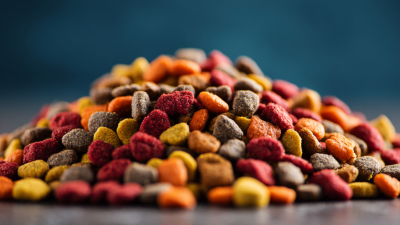
Hey, have you heard? The pet snacks industry is really looking at some exciting growth in 2026. According to a report from Grand View Research, they're expecting the market to hit over $24 billion—that’s quite a jump! This boom makes sense, given more folks are bringing pets into their lives and spending more on them. A lot of pet owners are now keen on finding healthier, high-quality treats, especially from trusted places like Pet Snacks Factory.
You’ll notice all kinds of new options popping up—things like organic and grain-free snacks are becoming pretty popular. I read in Pet Product News International that about 70% of pet owners really care about the ingredients in their pets’ treats. But here’s the thing—unfortunately, not all factories stick to those high standards. Some shortcuts are taken just to cut costs, and that can really put safety and quality at risk. That’s a big concern for us who want the best for our pets.
With the market getting more competitive, companies that truly want to stand out need to step up their game. Big names like Hill’s Pet Nutrition and Blue Buffalo are leading the way—they’re all about transparency and good nutrition. But not every factory is on that same page yet. It's really a good moment for the industry to take a hard look at how they operate, so every pet can get safe, healthy treats that we can feel good about giving them.
The pet snacks market is evolving rapidly in 2026. More pet owners are looking for healthy and natural options. This shift is driven by increased awareness of pet health. Owners are scrutinizing ingredient labels closely. Transparency in sourcing is becoming crucial for many consumers.
Tips: Always check ingredient lists. Natural doesn’t always mean healthy. Some snacks may still contain high calories.
Sustainability is another trend. Pet snacks made from sustainable ingredients are gaining popularity. Environmentally friendly packaging is desirable. However, some manufacturers may struggle with this transition. Costs can be higher, and consistency may vary.
Tips: Look for certifications when choosing snacks. Supporting local businesses can help address these inconsistencies. Consider the carbon footprint of your purchases.
When seeking the best pet snacks factory options in 2026, several key criteria come to light. Quality is paramount. Choosing factories that prioritize high-quality ingredients will ensure your pet's health. Reports indicate that 70% of pet owners are willing to pay more for premium snacks. This shift reflects a growing trend toward natural and organic products.
Another important factor is manufacturing practices. Look for factories that adhere to stringent safety standards. Transparency in operations is critical. Some factories still struggle with compliance, which raises concerns about product safety. A recent study found that 45% of pet snack recalls were due to manufacturing errors.
Tips: Always check for certifications such as Good Manufacturing Practices (GMP). Ensure the factory conducts regular quality checks. Consider visiting the facility if possible. Engage in conversations about their process to gauge their commitment to quality.
Finally, sustainability is becoming increasingly significant. As consumers become more eco-conscious, factories that adopt sustainable practices stand out. A survey indicates that 60% of pet owners prefer brands using eco-friendly packaging. This trend points to the future of the pet snack industry, where environmental responsibility will shape consumer choices.
As we look towards 2026, understanding the best ingredients for pet snacks is crucial. Recent studies indicate that over 70% of pet owners prioritize health and nutrition when selecting snacks. Key ingredients include high-quality proteins, fruits, and vegetables. These components not only enhance flavor but also provide essential nutrients. For example, chicken and salmon are emerging as popular protein sources due to their palatability and nutritional benefits.
Pet owners are increasingly aware of ingredient transparency. A report shows that 68% of consumers read labels to ensure they make informed choices. When choosing snacks, look for natural preservatives and avoid artificial additives. Ingredients like sweet potatoes and blueberries are gaining traction for their health benefits and rich nutrient profiles. Additionally, fiber sources promote digestive health, making them a great addition.
Tip: Always double-check ingredient sources. Pet snacks made with whole, recognizable ingredients tend to be healthier. Balance is key; too much of any one component can lead to nutritional issues. Focus on variety to meet your pet's changing preferences and needs. Remember, what might work for one pet may require adjustments for another. Tailoring snacks to your pet's unique dietary needs is essential for optimal health.
The world of pet snacks is evolving rapidly. Innovative manufacturing techniques are at the forefront of this change. Many factories are now adopting automation. This shift helps streamline production processes. As a result, efficiency has improved significantly. However, reliance on machines can introduce inconsistencies. Human oversight remains crucial in maintaining quality.
Sustainable practices are also becoming important in 2026. Factories use eco-friendly materials for packaging. This decision resonates with pet owners who care about the environment. Yet, finding the right balance between sustainability and cost is challenging. Many manufacturers struggle with this dilemma. Some might prioritize profit over eco-friendly choices, leading to questions about their commitment.
Additionally, the customization of pet snacks is on the rise. Factories are experimenting with unique flavors and textures. This innovation speaks to pet owners’ desire for variety. However, developing these new recipes can lead to unexpected issues. Taste testing may not always yield positive results. It’s essential to incorporate feedback from both pets and their owners. This is a journey of trial and error, full of learning opportunities.
Sustainability is becoming central in the pet snack industry. In 2026, many factories are adopting eco-friendly practices. A report from the Pet Food Industry Association states that over 65% of manufacturers are considering sustainable sourcing for ingredients. This shift is driven by consumer demand for transparency and ethical production.
Many pet snack factories are exploring biodegradable packaging options. Traditional plastic contributes significantly to pollution. However, studies show that nearly 40% of consumers prefer brands that use eco-friendly materials. This presents a challenge for factories to balance cost and sustainability. Some methods may still fall short, requiring ongoing adjustment.
Water conservation practices are also crucial for sustainability. Many facilities are investing in advanced recycling systems. Yet, not all factories are meeting water use reduction targets. According to recent reports, about 30% still struggle with effective water management. Continuous improvement is essential in this area, as 2026 approaches.
As the pet snack industry evolves, brands are focusing on quality. In 2026, pet snacks are crafted with more natural ingredients. These options appeal to health-conscious pet owners. Manufacturing standards are shifting towards transparency. Many brands now disclose sourcing and production details. This is essential in building consumer trust.
Tips: When selecting snacks, check ingredient labels. Look for those with recognizable items. Avoid snacks that contain artificial additives. Natural ingredients often lead to healthier pets.
Quality control has become a priority for many manufacturers. They employ rigorous testing to ensure safety. Brands aim to meet high nutritional standards. However, not all options are equally safe. Some may claim to be healthy but lack proper verification. Pet owners should remain vigilant about their choices.
Tips: Research brands online before buying. Review ratings and consumer feedback. Understanding manufacturing practices can guide better decisions. A little effort can lead to healthier snack options for pets.
In 2026, consumer preferences for pet snacks are shifting. Pet owners are more focused on natural ingredients. They prefer snacks free from artificial additives. Many look for sustainable sourcing as well. This reflects a growing awareness of health and environmental impact.
Texture and flavor are crucial factors too. Crunchy snacks tend to win over chewy options. Pet owners are experimenting with unique flavors. Some are even considering protein sources like insects. However, this transition isn't without challenges. Some pets may resist new tastes or textures.
Price sensitivity remains a concern. Many consumers seek quality but at an affordable price. Emerging trends show a rise in home-made snacks. People are curious about DIY recipes. But the balance between convenience and health is tricky. Time constraints often lead to compromises.
: Quality ingredients are essential for your pet's health. Check for certifications and quality checks.
Yes, adherence to safety standards is critical. Transparency in operations is vital for product safety.
Look for regular quality checks and visit the facility if possible. Engagement can reveal their commitment.
Focus on high-quality proteins, fruits, and vegetables. These enhance flavor and provide essential nutrients.
It's best to avoid artificial additives. Choose snacks with natural preservatives for your pet’s health.
Balance ingredients and focus on variety. Adjusting snacks for changing preferences is important.
Sweet potatoes and blueberries are great choices. They offer health benefits and rich nutrient profiles.
Sustainability is increasingly significant. Eco-friendly practices appeal to many modern consumers.
Absolutely. A majority of pet owners read labels to ensure health and nutritional value.
Not necessarily. Tailor snacks to your pet's unique dietary needs for optimal health.
The article "What Are the Best Pet Snacks Factory Options in 2026?" explores the evolving landscape of the pet snacks industry, highlighting key market trends and consumer preferences anticipated for the year. It emphasizes the importance of selecting the right Pet Snacks Factory, taking into consideration factors such as health-conscious ingredients, innovative manufacturing techniques, and sustainability practices. These criteria are essential for ensuring high-quality products that meet the nutritional needs of pets while aligning with consumer demand.
Moreover, the article discusses the significance of pet snack ingredients that promote health and wellness, as well as the role of modern manufacturing approaches in enhancing production efficiency. The commitment to sustainability in pet snacks factories not only attracts eco-conscious consumers but also contributes to a positive brand reputation. Overall, understanding these dynamics is crucial for stakeholders aiming to thrive in the competitive pet snacks market in 2026.