• 3b9efb6c
  • 93a7b8cf
  • tuite (2)
  • 456d0f81
  • lingying (1)
Since1998Stock Code:832419
  • emma@chinaluscious.com
  • +8613791869655
0%

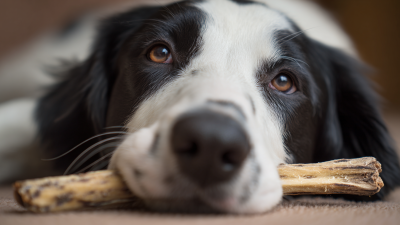
Picking out the best chicken treats for your furry buddies isn’t exactly a walk in the park, you know? I read somewhere that the pet treat market has actually grown by about 14% over the past year – that’s quite a boost! It kinda shows how pet owners are really into offering their pets good quality snacks, especially chicken-based ones since they’re pretty popular these days.

But here’s the thing — not all chicken treats are made equal. Some brands tend to pack in artificial ingredients, rather than going for natural stuff. I came across a study from the Pet Food Institute that said over 70% of pet parents actually pick treats based on the ingredient list. So, knowing where the treats come from and how they’re made is super important. And honestly, some packaging looks really nice, but can be kinda sneaky. It can make pet owners confused or unsure if what they’re buying is genuinely good for their pets.

It’s also really important to understand what kind of nutrition these treats offer. Sadly, a lot of pet parents admit they don’t really know the difference between treats that are healthy and ones that aren’t. So, being informed is key. When you pick high-quality chicken treats, you’re doing something really good for your pet’s health. But finding those trustworthy options means doing a bit of homework — exploring different brands and reading the fine print can make all the difference.

Top Tips for Choosing the Best Chicken Pet Treats?

Understanding Nutritional Needs of Chickens for Treat Selection

Top Tips for Choosing the Best Chicken Pet Treats?

When selecting treats for your chickens, it's vital to understand their nutritional needs. Chickens require a balanced diet to stay healthy. A mix of grains, proteins, and vitamins is essential. Fresh fruits and vegetables can complement their diet. However, not all treats are equal. Some may lack essential nutrients, which can lead to health issues.

Consider offering peas, pumpkin seeds, or leafy greens. These are nutrient-rich options that chickens love. Additionally, protein sources like mealworms can be a great occasional treat. They are packed with amino acids that aid growth and egg production. Avoid processed snacks that may be high in sugars or preservatives. Chickens thrive on natural, whole foods.

Be mindful of portion sizes. Treats should only make up about 10% of their daily intake. Overindulgence can lead to obesity and other problems. Monitoring their health is crucial after introducing new treats. Sometimes, what works for one flock may not work for another. Observing your chickens can guide you in making the best selections.

Identifying Safe Ingredients: What to Look for in Chicken Treats

Top Tips for Choosing the Best Chicken Pet Treats?

When selecting chicken treats for your pet, safety is paramount. Look for ingredients that are simple and recognizable. Chicken should be the first component. Avoid treats with artificial additives. Natural preservatives are preferable to ensure freshness.

Consider the texture of the treats. Crunchy options can help with dental health. Soft treats may be suitable for older chickens or those with specific dietary needs. Always pay attention to the nutritional values. A treat should complement your pet's diet, not replace it.

Check for common allergens in the ingredient list. Some chickens may react negatively to grains or fillers. Observing your chicken after introducing a new treat is wise. Watch for any unusual behavior or digestive issues. Your pet's reaction can be a clear indicator of what’s safe. Choose wisely, and enjoy the bonding experience with your chicken.

Evaluating Treat Types: Grains, Seeds, Fruits, and Vegetables

When choosing chicken pet treats, it's crucial to consider the types of ingredients. Grains, seeds, fruits, and vegetables each offer unique benefits. Grains like oats can provide energy but might cause allergies in some chickens. Always monitor their reaction to avoid any adverse effects.

Seeds are a great option. They are rich in fats and proteins. Sunflower seeds are especially popular. However, moderation is key. Too many seeds can lead to obesity. Fruits and vegetables also serve as excellent treats. Fresh peas, carrots, and berry pieces provide vitamins. They tempt chickens with vibrant colors and smells.

Evaluate each treat's nutritional value. A diverse diet is best for health. Sometimes it’s hard to know what’s truly beneficial. Offering a variety can help figure this out. Always remember, each chicken is unique. Pay attention to how they respond.

The Importance of Treat Size and Texture for Chicken Health

When it comes to chicken treats, size and texture play crucial roles in your chicken's health. Chickens are small animals, and treats that are too large can pose choking hazards. A good treat should be a bite-sized morsel. This allows them to enjoy their snack safely. Soft treats might be easier for older chickens or those with beak issues. Harder textures can help maintain their beak health.

Consider the texture when selecting chicken treats. Treats that are too sticky can be hard to eat and may cause frustration. Likewise, excessively crunchy treats can harm their digestive system if not chewed properly. Keep an eye on their behavior. If they struggle to eat, it might be time to reevaluate your choices. Opt for a mix of textures to keep things interesting for your flock.

Remember the nutritional value of treats. Not all treats are created equal. Treats high in sugars or fats can lead to obesity. This isn't ideal for their overall health. Always check the ingredients. Make sure they are safe and beneficial for your chickens. Your chickens deserve the best!

Monitoring Treat Intake: Recommended Serving Sizes for Chickens

When it comes to treating chickens, portion control is essential. Chickens love snacks, but overindulgence can lead to health issues. High-calorie treats should be offered in moderation. Recommended serving sizes usually depend on the chicken's age and size. For adult chickens, a few small treats daily suffice. Younger chickens, however, have different needs.

Calculating treat portions may feel confusing. A typical guideline suggests no more than 10% of their diet should consist of treats. Monitoring their weight and behavior helps determine if adjustments are necessary. If chickens are more aggressive or lethargic, re-evaluating treat intake may be in order.

Remember, not all treats are created equal. Fresh fruits and vegetables are healthier than packaged options. Variety is essential, but always consider the nutritional balance. If treats are impacting their health, a change in diet should be considered. Keeping an eye on their reactions can guide you towards the best choices.

Choosing Organic vs. Non-Organic Chicken Treats: Pros and Cons

When choosing chicken pet treats, one key decision is whether to go organic or non-organic. Organic treats often come from chickens that are raised without harmful chemicals. This can be reassuring for pet owners who prioritize wellness. These treats typically lack artificial flavors and preservatives. They may cost more, though. Some pet owners wonder if the extra expense is truly worth it.

On the flip side, non-organic chicken treats can be more affordable. They’re widely available and can still provide a tasty snack for your pet. However, the ingredients may include additives and flavor enhancers. The quality can vary greatly. Not every non-organic option is bad, but it may require careful reading of labels. The lack of standardization means some treats may contain unwanted ingredients.

Reflecting on personal preferences is crucial. Do you prioritize health or budget? Perhaps considering your pet's reactions to different treats can guide your choice. Observing how your chickens respond to various options will help. Ultimately, choosing chicken treats is about finding the balance that works best for you and your pet.

Top Tips for Choosing the Best Chicken Pet Treats

Type Organic Pros Organic Cons Non-Organic Pros Non-Organic Cons
Dried Chicken Treats Higher nutritional value Generally more expensive Cost-effective May contain harmful additives
Chicken Jerky No added hormones Limited availability Widely available Quality may vary
Chicken Bits Free from pesticides Shorter shelf life Longer shelf life May include fillers
Raw Chicken Treats Natural ingredients Risk of bacterial contamination Safe when processed Less natural flavor

Understanding the Impact of Treats on Chicken Behavior and Welfare

Treats play a crucial role in a chicken's life. They can enhance behavior and overall welfare. Studies show that treats can improve social interactions among chickens. A report by the Animal Welfare Institute highlighted that 70% of chickens exhibited less stress when given treats regularly.

Choosing the right types of treats is important. Chickens respond differently to various foods. Some may prefer grains, while others enjoy vegetables. For instance, offering fresh greens can stimulate foraging behavior. This leads to a more enriched environment. However, over-reliance on treats can also lead to health issues. An unbalanced diet from excessive treats can cause obesity.

Understanding the influence of treats requires careful observation. Watch how your chickens react. Some may become aggressive over treats, showing signs of competition. Balance is crucial. Treats should supplement a chicken’s diet, not replace nutritious feed. Implementing a treat schedule can help manage their intake and maintain their health.

Title: "Deliciously Healthy: Introducing LSV-04 Banana Chip Twined by Chicken Pet Treats for Your Furry Friends

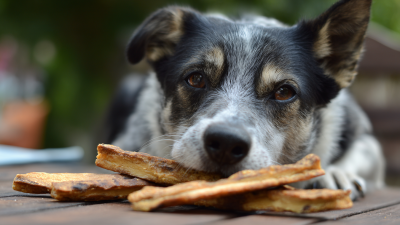
Introducing a delightful new treat for your furry companions, the LSV-04 Banana Chip Twined by Chicken Pet Treats combines the wholesome goodness of chicken with the natural sweetness of bananas. This innovative product is designed to meet the dietary needs of pets while providing a delicious flavor that will keep them coming back for more. With a crude protein content of over 25%, these treats are an excellent source of high-quality protein, essential for maintaining your pet's overall health and vitality.

According to recent industry studies, the demand for healthy pet treats has seen a significant rise, with pet owners increasingly seeking products that not only appeal to their pets’ taste buds but also support their well-being. The blend of chicken and banana in these treats not only caters to the taste preferences of dogs and cats but also incorporates essential nutrients. The inclusion of crude fat at a minimum of 2% and low moisture content ensures these treats are not only tasty but also nutritionally balanced, aiding in digestion and overall health.

Furthermore, with a shelf life of 18 months, these treats offer convenience without compromising quality. The combination of low crude fiber, ash, and moisture levels indicates a well-formulated product that maintains its integrity over time. By prioritizing both nutrition and flavor, the LSV-04 Banana Chip Twined by Chicken Pet Treats exemplifies the growing trend of health-conscious pet products, making it easier than ever for pet owners to pamper their beloved animals with treats that are both delicious and beneficial.

FAQS

: What nutritional needs should I consider for my chickens' treats?

: Chickens need a balanced diet of grains, proteins, and vitamins. Fresh fruits and vegetables are great additions.

What are some healthy treat options for chickens?

Nutrient-rich options include peas, pumpkin seeds, and leafy greens. Mealworms provide beneficial protein too.

How often should I give treats to my chickens?

Treats should make up only about 10% of their daily intake. Overindulgence can lead to obesity.

Are organic chicken treats worth the extra cost?

Organic treats are free from harmful chemicals. They lack artificial flavors, but they often cost more.

What are the downsides of non-organic chicken treats?

Non-organic treats can be more affordable but may contain additives. Always read the labels carefully.

How can I monitor my chickens' health after introducing new treats?

Watch your chickens closely. Notice any changes in behavior or health after adding treats to their diet.

What should I do if my chickens don’t like a certain treat?

If they refuse a treat, it may not suit their preferences. Experiment with different options over time.

Is it important to observe my chickens with new treats?

Yes, observing their reactions helps identify what works best. Every flock is unique in its likes and dislikes.

Can chickens eat processed snacks?

Processed snacks may be high in sugars or preservatives. It’s best to avoid them for your chickens' health.

How do I balance health and budget when choosing chicken treats?

Reflect on what matters most. Prioritize your chickens' health, but don’t ignore budget considerations.

Conclusion

When selecting the best chicken pet treats, it's essential to understand the nutritional needs of chickens to ensure that treats contribute positively to their diets. Safe ingredients should be prioritized, focusing on natural options like grains, seeds, fruits, and vegetables. Evaluating the size and texture of the treats is also critical, as they can affect the chickens' health and ease of consumption.

Monitoring the intake of chicken pet treats is vital; recommended serving sizes should be adhered to in order to maintain a balanced diet. Furthermore, one must consider the choice between organic and non-organic treats, weighing the pros and cons of each. Lastly, understanding how different treats can influence chicken behavior and overall welfare can help pet owners make informed decisions that promote happier, healthier chickens.
Liam

Liam

Liam is a dedicated marketing professional at Shandong Luscious Pet Food Co., Ltd., one of China's leading manufacturers of high-quality pet food. With extensive knowledge and passion for the pet food industry, Liam plays a crucial role in promoting the company’s diverse product range, which......
Previous 7 Incredible Benefits of Choosing the Best Chicken Pet Food