• 3b9efb6c
  • 93a7b8cf
  • tuite (2)
  • 456d0f81
  • lingying (1)
Since1998Stock Code:920419
  • emma@chinaluscious.com
  • +8613791869655
0%

Chicken jerky pet treats might look pretty simple at first glance—just thin strips of chicken, a smoky smell, and that satisfying chew. But don’t be fooled by appearances; they don’t tell the whole story when it comes to safety. Things like the ingredients, how they’re processed, packaging, storage, and your pet’s health all play a crucial role.

Dr. Martine Hartogensis, a veterinarian working with the U.S. Food and Drug Administration, actually advises pet owners to be cautious when giving their pets jerky treats. That’s still good advice because there have been questions about their safety—reports of tummy upsets and claims that not all products are made consistently well. The FDA’s looked into these complaints, but they haven’t always been able to pinpoint a single cause. Honestly, that’s something to keep in mind.

When you’re choosing treats, take a minute to read the label—look for the source of the chicken, who made it, lot numbers, expiration date, and any feeding instructions. A sealed bag from a brand you recognize and trust is usually a safer bet than something with vague or unclear labeling. Also, give it a quick check—if it’s oily, moldy, has a strange smell, or if the package seems swollen, it’s best to skip it.

Portion size matters too. Giving too many treats at once can mess with your dog’s digestion or pack on unwanted calories. And if you’ve got a puppy, an older dog, or a pet with kidney or digestive issues, it’s definitely a good idea to chat with your vet first. Don’t forget—as always—fresh water should be readily available for your furry friend.

Just because a treat is on the shelf doesn’t automatically mean it’s safe or unsafe. The key is to stay observant. Even a product that seems perfectly fine can cause problems in a sensitive dog. If you notice vomiting, diarrhea, lethargy, or loss of appetite, get in touch with your vet right away. A cautious owner doesn’t just trust a shiny package—they watch, they check, and they care.

What Are Chicken Jerky Pet Treats and Are They Safe?

What Are Chicken Jerky Pet Treats?

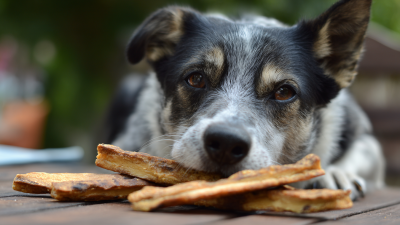
Chicken jerky pet treats are thin strips or small pieces of chicken made for dogs or cats. Manufacturers usually remove moisture through controlled heating or dehydration. The result is chewy, portable, and strongly scented. Many pets respond to it immediately. That is the appeal.

These treats are snacks, not balanced meals. They may provide animal protein, but they do not supply every nutrient a pet needs. Texture varies from soft and flexible to dry and brittle. A brittle piece can break into sharp chunks. Smaller pets may also swallow pieces too quickly. I would break large strips into smaller portions. Supervision matters. It is easy to overlook.

Safety depends on more than the word “chicken.” Check the ingredient panel for added salt, sweeteners, onion, garlic, or unnecessary flavorings. Pets with food allergies may react even to simple recipes. Treats should be fully cooked, sealed, and stored as directed. Discard any piece with an unusual smell, color, or texture. A reliable product should show feeding guidance, ingredients, lot information, and storage instructions. Still, a careful label is not a guarantee. A pet’s age, size, health, and chewing habits all change the risk. Ask a veterinarian when allergies, digestive disease, or choking concerns are present.

How Chicken Jerky Treats Are Made

Chicken jerky pet treats are thin strips of chicken preserved through controlled heating and drying. Manufacturers usually receive chilled meat, inspect it, remove excess fat, and slice it evenly. The pieces may be marinated, then heated before or during dehydration. This step matters because thick pieces can dry unevenly.

A practical control is water activity, not simply a dry appearance. Many shelf-stable foods target water activity below 0.85, while better-controlled products may use lower levels.

Drying reduces available moisture, but it does not automatically destroy every pathogen. Clean equipment, validated heating, and sealed packaging remain essential.

The weak point is often the transition between cooking and packaging. Recontamination can happen there.

The U.S. Food and Drug Administration’s 2015 investigation update reported more than 5,000 complaints linked to jerky pet treats, involving over 6,200 dogs and more than 1,000 reported dog deaths.

These reports did not prove that every treat caused illness, but they justify careful manufacturing and monitoring.

Veterinary nutrition experts commonly recommend checking the ingredient list, feeding instructions, lot information, and storage guidance. I would not treat a polished package as proof of safety. Nor would I assume that “natural” means risk-free.

After opening, moisture can enter the bag, especially in a warm kitchen. A slightly oily surface or unusual odor deserves attention.

No process is flawless.

That is uncomfortable, but honest.

Key Nutrients and Potential Benefits

Chicken jerky pet treats are thin pieces of chicken preserved by controlled drying. Their main nutritional appeal is concentrated protein. USDA FoodData Central lists cooked chicken breast at roughly 31 grams of protein per 100 grams, although drying changes the weight and nutrient density. Actual jerky values vary with moisture, seasoning, and processing.

Protein can support muscle maintenance, tissue repair, and satiety in dogs and cats. A small strip may also work well during training because its aroma is strong and its texture encourages chewing. However, jerky is a treat, not a complete diet. The AAFCO Dog and Cat Food Nutrient Profiles are designed for nutritionally complete foods, while treats may not provide balanced calcium, vitamins, or essential fatty acids. That distinction matters.

Check the guaranteed analysis, calorie information, and ingredient list. Sodium can rise when salt or flavoring is added. Extra calories may quietly contribute to weight gain, especially in small pets. The FDA has also reported investigations involving illnesses linked to certain animal treats, so safe manufacturing and careful storage remain important. Refrigerate after opening when instructed, and discard pieces with unusual odor or mold.

Protein is not the whole story. A veterinarian should review treats for pets with kidney disease, allergies, obesity, or digestive problems. I would not assume “single-protein” means risk-free. Cross-contamination and individual sensitivity can still complicate an otherwise simple snack.

Common Safety Risks and Health Concerns

Chicken jerky pet treats are thin strips of chicken that have been cooked and dried. They are popular because they smell strong and feel chewy. However, dryness does not prove that harmful bacteria are absent. Salmonella and other pathogens may survive poor cooking or handling. Contaminated treats can affect pets and people who touch them.

Some risks are easy to miss. A jerky strip may contain too much salt, fat, or added seasoning. Frequent feeding can contribute to weight gain, stomach upset, or excessive thirst. Garlic and onion ingredients are especially unsuitable for dogs and cats. Always check the ingredient list, even when the package looks simple. Chicken may also trigger itching, ear irritation, vomiting, or diarrhea in sensitive animals. Not every reaction is an allergy, though. That distinction needs veterinary advice.

Choking is another concern. Large, hard pieces can lodge in a small pet’s throat. Break treats into suitable portions and supervise chewing. Discard pieces that smell sour, look moldy, or feel unusually wet. Store opened treats as directed, using clean hands and a sealed container. Wash your hands afterward, especially before preparing human food. I once assumed a firm texture meant better preservation; that assumption was too simple. Homemade jerky can be riskier when cooking temperature and drying time are not measured accurately. Stop feeding the treat if your pet develops vomiting, weakness, reduced appetite, or unusual urination, and contact a veterinarian promptly.

What Are Chicken Jerky Pet Treats and Are They Safe?

Estimated daily calorie limits for treats, including chicken jerky, based on 10% of daily energy needs for healthy adult dogs.

Chicken jerky treats are dehydrated or dried chicken products made for pets. Treats should generally provide no more than 10% of a dog's daily calories. The estimates below use the standard veterinary calculation of 70 × body weight0.75 for resting energy requirement and 1.6 × that value for a typical neutered adult dog's maintenance energy requirement. Always check the package calories and reduce the main diet accordingly. Raw or underprocessed poultry may carry pathogens such as Salmonella; choose products made with validated heat processing, wash hands after handling, and contact a veterinarian if illness occurs.

How to Choose Safe Chicken Jerky Treats

Chicken jerky pet treats are thin, dried pieces of chicken made for dogs or cats.

Drying reduces moisture, but it does not automatically remove every safety concern. Safe selection begins with the ingredient list, not the package picture. Look for clearly named chicken and avoid vague terms such as “meat derivatives.” Fewer ingredients can make reactions easier to trace.

Check the manufacturer’s contact details, production information, and best-before date. A trustworthy label should show feeding guidance and storage instructions.

I prefer sealed packages with consistent pieces, no greasy coating, and no sharp, burnt edges. The treats should smell like cooked chicken, not chemicals or sour food. Inspect each piece before feeding.

Start with a small portion, especially when your pet has allergies or digestive problems. Watch for vomiting, diarrhea, unusual tiredness, coughing, or excessive thirst.

Stop feeding the treat and contact a veterinarian if these signs appear or continue.

Treats should remain occasional, not replace balanced food. Avoid giving large pieces to pets that swallow quickly; cutting them smaller may help, but it does not remove choking risk.

Wash your hands after handling jerky, and store opened bags away from heat and moisture.

I still sometimes trust attractive packaging too quickly. That is a mistake worth correcting. A careful label check takes longer, yet it may prevent an unpleasant visit to the clinic.

Safe Serving Guidelines for Dogs and Cats

Chicken jerky pet treats are thin, dried pieces of chicken offered as rewards, not complete meals. Their safety depends on preparation, storage, ingredients, and portion size. The U.S. Food and Drug Administration reported more than 6,200 canine illnesses linked to jerky treats between 2007 and 2015. The report also recorded over 1,100 canine deaths, although it did not prove that every case had the same cause. That history deserves caution.

Use treats within the 10% calorie limit recommended by the World Small Animal Veterinary Association. Check the package’s calorie information, then reduce the main meal slightly. A small dog may need only one tiny strip. A cat may need a crumb-sized piece. Cats often swallow quickly. Break hard jerky into softer, smaller portions, and supervise every feeding. Never give pieces that could lodge in the throat. Fresh water should always be available.

Choose products with clear ingredients and feeding instructions. Avoid treats containing onion, garlic, excessive salt, or unknown additives. Wash your hands after handling them, and store opened jerky in a sealed container. Discard pieces that smell sour, feel unusually sticky, or show mold. Vomiting, diarrhea, weakness, or increased thirst requires veterinary advice. Chicken allergies can appear later, not only after the first serving. One practical weakness remains: labels may list calories, but they rarely show how quickly an individual pet eats. Start smaller than suggested, observe carefully, and adjust slowly.

What Are Chicken Jerky Pet Treats and Are They Safe? - Safe Serving Guidelines for Dogs and Cats

Topic Dogs Cats Safe-Practice Guideline
What the treat is Chicken meat that has been cooked and dehydrated to remove moisture. It is usually chewy and concentrated in calories compared with fresh chicken. A meat-based supplemental treat that may be appealing to cats because of its strong aroma and animal-protein content. Treats should supplement, not replace, a complete and balanced pet diet.
Main nutritional characteristics Typically provides animal protein, but the nutritional content varies substantially by recipe, moisture level, added ingredients, and portion size. Provides animal protein but may not supply all essential nutrients required for a complete feline diet. Use the package calorie information when available; do not estimate calories solely from the treat's size or appearance.
Recommended treat limit Treats and other extras should generally provide no more than about 10% of the dog's daily calorie intake. Treats and other extras should generally provide no more than about 10% of the cat's daily calorie intake. Reduce the regular food portion if treats contribute meaningful calories, especially for overweight or less-active pets.
Portion approach Break large strips into small, bite-sized pieces. Begin with a small piece and observe tolerance before offering more. Offer very small pieces because cats generally need fewer calories and may have difficulty chewing large, tough strips. Follow the feeding directions on the label and count every piece offered during training or throughout the day.
Suitable ingredients A simple ingredient list containing chicken is generally preferable for dogs without a chicken allergy or dietary restriction. Plain chicken may be suitable for many cats, provided it is used only as a supplemental treat. Check the label for unnecessary flavorings, excessive salt, sweeteners, preservatives, or ingredients your veterinarian has advised avoiding.
Ingredients to avoid Avoid products containing onion, garlic, chives, grapes, raisins, chocolate, or xylitol. The same toxic ingredients should be avoided; cats are particularly sensitive to some dietary hazards, including onion and garlic. Never share seasoned human jerky unless every ingredient has been checked for pet safety.
Choking and chewing risk Large, hard, or highly tough pieces can be a choking risk, particularly for puppies, small dogs, and dogs that swallow food quickly. Tough pieces may be difficult for cats to manage and can be swallowed without adequate chewing. Supervise every feeding, choose an appropriate size, and remove pieces that become sharp or excessively hard.
Food-safety concerns Improperly processed or contaminated jerky may cause vomiting, diarrhea, reduced appetite, or lethargy. Cats may also develop digestive upset or illness after eating contaminated or spoiled treats. Choose treats made under appropriate food-safety controls, inspect for spoilage, and discard products with mold, unusual odor, or damaged packaging.
Storage Improper storage can allow moisture and bacteria to develop after opening. Cats should receive treats stored under the same safety conditions as treats for dogs. Follow the package storage instructions, reseal the container, keep it in a cool, dry place, and observe the stated use-by period after opening.
Pets needing extra caution Use veterinary guidance for dogs with obesity, pancreatitis history, kidney disease, food allergies, or prescription diets. Use veterinary guidance for cats with obesity, kidney disease, diabetes, food allergies, or prescription diets. A treat that is safe for a healthy pet may be unsuitable for an animal with a medical condition.
Possible signs of intolerance Vomiting, diarrhea, itching, ear irritation, gas, or refusal to eat may indicate intolerance or an allergic response. Watch for vomiting, diarrhea, itching, skin changes, or reduced appetite after introduction. Stop the treat if symptoms occur and contact a veterinarian if signs are severe, persistent, or accompanied by weakness or breathing difficulty.
Best overall use Small pieces can be used as occasional rewards or training treats when calories are controlled. Small pieces can be offered occasionally as enrichment or a reward. Chicken jerky treats are not automatically unsafe, but safety depends on ingredients, processing, portion size, storage, and the individual pet's health.

General note: Always provide fresh water and introduce any new treat gradually. When a pet has a medical condition, food allergy, or prescribed diet, consult a veterinarian before adding chicken jerky treats.

A Practical Guide to LSC-17 Dried Chicken on Rawhide Stick Bulk Pet Treats

LSC-17 dried chicken on rawhide stick bulk pet treats combine a savory chicken coating with a durable rawhide base, offering dogs an engaging chewing experience and a convenient way to add variety to their treat selection. Made with chicken and rawhide, the treats contain at least 55% crude protein, while crude fat is maintained at a minimum of 3%. With crude fiber at no more than 0.2%, ash at no more than 3%, and moisture at no more than 18%, the formula is designed for dry-treat handling and efficient bulk distribution.

For wholesale buyers, the minimum order quantity is 500 kg, making this format suitable for pet retailers, distributors, and private-label supply programs. Each batch should be stored in a cool, dry place away from direct sunlight and excess humidity to help preserve texture and flavor throughout the stated 18-month shelf life. When offering the treats, select an appropriate size for the dog and provide supervision during chewing. Fresh drinking water should be available, and the product should be used as a treat within a balanced feeding routine rather than as a complete diet.

FAQS

What are chicken jerky pet treats?

They are thin chicken pieces preserved through controlled drying. Drying removes moisture and concentrates nutrients. Texture varies.

What nutritional benefit can chicken jerky provide?

Chicken jerky mainly provides concentrated protein. Protein supports muscle maintenance and tissue repair. Small pieces may help during training.

Can chicken jerky replace regular pet food?

No. Jerky is a treat, not a complete diet. It may lack balanced calcium, vitamins, and essential fatty acids. Keep it occasional.

What should I check on the package?

Read the ingredient list, calorie information, guaranteed analysis, and feeding guidance. Choose clearly named chicken instead of vague meat terms. Check the best-before date.

How can I recognize a better-quality treat?

Look for sealed packaging and consistent pieces. Avoid greasy coatings, sharp edges, or burnt surfaces. The smell should resemble cooked chicken, not chemicals or sour food.

How much chicken jerky should I give my pet?

Start with a small portion. Treats should not quietly add too many calories, especially for small pets. Cut large pieces smaller for fast eaters, but choking risk remains.

How should chicken jerky be stored?

Follow the package storage instructions. Refrigerate opened treats when instructed. Keep them away from heat and moisture. Discard pieces with mold or unusual odors.

Which pets may need extra caution?

Ask a veterinarian before feeding pets with kidney disease, allergies, obesity, or digestive problems. A “single-protein” label does not guarantee safety. Individual sensitivity still matters.

What signs suggest my pet should stop eating the treat?

Stop feeding it if vomiting, diarrhea, unusual tiredness, coughing, or excessive thirst appears. Contact a veterinarian if symptoms continue. I might overlook mild signs, so observation matters.

Are there simple handling precautions?

Wash your hands after handling jerky. Inspect every piece before feeding. Attractive packaging can mislead me. A careful label check is worth the extra minute.

Conclusion

Chicken Jerky Pet Treats are protein-rich snacks made by slicing chicken and removing moisture through controlled drying. They can provide highly digestible animal protein and may be useful as occasional rewards during training. However, their nutritional value varies depending on preparation, ingredients, and processing methods. Some products may contain excessive salt, sugar, fat, or preservatives, while improperly handled jerky can carry harmful bacteria. Dogs and cats with allergies, sensitive digestion, or specific health conditions may also react poorly to these treats.

To choose safer options, pet owners should look for clearly listed ingredients, simple recipes, appropriate moisture control, and reliable quality standards. Treats should be introduced gradually and given in moderation, alongside a complete and balanced diet. Always supervise pets while they chew, provide fresh water, and watch for symptoms such as vomiting, diarrhea, unusual tiredness, or itching. If any concerning reaction occurs, stop serving the treat and consult a veterinarian. Portion size should reflect the pet’s species, age, weight, activity level, and overall health.

Sophie

Sophie

Sophie is a dedicated marketing professional at Shandong Luscious Pet Food Co., Ltd., a premier manufacturer of pet food in China. With a deep understanding of the industry, she brings a wealth of knowledge to her role, ensuring that the company's range of products—including high-quality dog food,......
Previous Why Choose Bulk Pet Treats for Your Business?