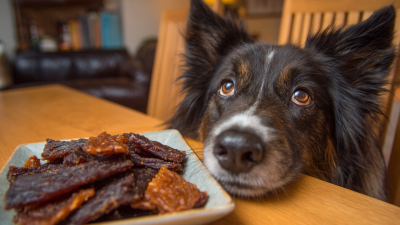
Picking the right dried pet food for your furry friends can honestly feel pretty overwhelming, especially with so many options out there. Every brand seems to claim theirs is the best, packed with unique ingredients and benefits, which can make choosing the right one a real head-scratcher. Dried pet food is super handy and offers good nutrition — providing essential vitamins and minerals — but understanding what's actually inside the bag is key to making a smart choice.
In this guide, I’ll walk you through what to keep an eye on when you're shopping for the best dried pet food for your pets. From reading ingredient labels to figuring out what your dog or cat really needs diet-wise, knowing what to look for can make all the difference in keeping your furry buddy healthy and happy. By learning a bit about what different foods offer and what suits your pet's specific needs, you’ll feel way more confident about picking a product that fits your pet’s health and taste buds. After all, a good choice means a happier, healthier life for your four-legged friends!

Understanding Your Pet's Nutritional Needs
When choosing dried pet food for your dog or cat, it is essential to begin by understanding their specific nutritional needs. Different breeds, ages, and health conditions can influence what type of food is best suited for your pet. For example, puppies and kittens require higher protein content for growth and development, while senior pets may benefit from lower calorie options to prevent obesity. Always check the food label for life-stage appropriateness and ensure it meets the nutritional guidelines established by reputable animal nutrition authorities.
Tips: Consult your veterinarian to determine if your pet has any special dietary requirements, such as allergies or health concerns. This can greatly influence your choice of dried food and ensure that it aligns with your pet's unique needs.
Another key aspect is the ingredient list; look for high-quality protein sources as the primary ingredient and minimal fillers. Whole grains, fruits, and vegetables can provide essential vitamins and fiber that contribute to overall health. Always be cautious of artificial preservatives and by-products, as these can detract from your pet's nutrition.
Tips: Transitioning to a new diet should be done gradually over a week to avoid gastrointestinal upset. Start by mixing small amounts of the new food with their current diet and increase gradually, monitoring your pet’s response to the change throughout the process.
Types of Dried Pet Food Available in the Market
When selecting dried pet food for your dog or cat, it's essential to understand the various types available in the market. The primary categories include kibble, freeze-dried, and dehydrated foods. Kibble, often the most common form, is favored for its convenience and shelf stability. It usually comes in bite-sized pieces that make it easier for pets to eat and digest. Many manufacturers enhance their kibble with vitamins and minerals to ensure a balanced diet for pets.
Freeze-dried pet food is another option that is gaining popularity. This type undergoes a preservation process that removes moisture while maintaining the nutrients and flavors. When rehydrated with water, freeze-dried food retains the taste and aroma, appealing to picky eaters. Dehydrated food, similar in concept, requires water to be added before feeding, providing a fresh meal experience while allowing for easy storage and long shelf life.
Additionally, specialty formulations are available for pets with specific dietary needs. This includes grain-free options, limited-ingredient diets for food sensitivities, and high-protein variants tailored for active pets. Understanding these different types can help pet owners make informed choices that best suit their animals' health requirements and personal preferences.
Types of Dried Pet Food Available in the Market
| Type of Dried Pet Food |
Main Ingredients |
Protein Content (%) |
Special Features |
| Kibble |
Meat, grains, and vegetables |
20-30 |
Variety of flavors, easily digestible |
| Dehydrated Food |
Real meat, fruits, and vegetables |
25-35 |
Less processing, high nutritional value |
| Freeze-Dried Food |
Real meat, organs, and vitamins |
30-40 |
Retains nutrients, lightweight |
| Grain-Free Kibble |
Meat, legumes, and vegetables |
20-30 |
Suitable for sensitive stomachs |
| Raw Freeze-Dried Food |
Raw meat, organs, and fruits |
30-40 |
Mimics natural diet, high palatability |
Reading and Interpreting Pet Food Labels
When selecting dried pet food for your dog or cat,
understanding and interpreting pet food labels
is essential for making an informed choice. The label typically provides vital information about the ingredients,
nutritional content, and the feeding guidelines specific to your pet's needs. Start by looking for the
Association of American Feed Control Officials (AAFCO)
statement, which indicates that the product meets established nutritional standards. This can help ensure
you're providing your pet with a balanced diet.
Next, closely examine the ingredient list. Ingredients are usually listed in descending order by weight, meaning
the first few ingredients hold the most significance. Look for
high-quality protein sources such as meat or fish, which should be among the first listed.
Be wary of vague terms like "meat by-products" or "animal meal,"
as they can indicate lower-quality ingredients. Also, keep an eye out for added vitamins and minerals that can
contribute to your pet's health, ensuring they receive a
complete amino acid profile and essential nutrients for their
overall wellbeing.
Ingredients to Look for in Quality Dried Pet Food
When selecting dried pet food for your dog or cat, the ingredients play a crucial role in ensuring a high-quality diet. Look for protein as the first ingredient; it should ideally come from a named source like chicken, beef, or fish. High-quality protein sources provide essential amino acids that are vital for your pet's growth, energy, and overall health. Avoid foods with vague terms such as "meat meal," as they can indicate lower quality or less specific protein sources.
In addition to protein, pay attention to the presence of whole grains and vegetables. Ingredients like brown rice, sweet potatoes, and peas are great options that can provide necessary fiber and vitamins. These wholesome ingredients contribute not only to digestive health but also to overall well-being. Moreover, check for the inclusion of healthy fats such as omega-3 and omega-6 fatty acids, which support skin health and a shiny coat. Avoid artificial additives and fillers as much as possible; these can detract from the nutritional value and potentially cause health issues in pets over time. By focusing on these quality indicators, you can choose the best dried pet food for your furry companions.
Common Allergens and Dietary Restrictions for Pets
When selecting dried pet food for your dog or cat, it's essential to consider common allergens and dietary restrictions that may affect your pet's health. Many pets suffer from food sensitivities, which can lead to uncomfortable symptoms such as itching, gastrointestinal upset, and even more severe reactions. Common allergens in pet food include ingredients like beef, dairy, wheat, and chicken. Understanding your pet's unique needs is vital in choosing a suitable diet that minimizes the risk of allergic reactions.
Additionally, some pets may have specific dietary restrictions due to health conditions such as diabetes, kidney disease, or obesity. For instance, pets with diabetes often require low-carbohydrate diets to maintain stable blood sugar levels, while those with kidney issues might benefit from reduced protein and phosphorus intake. It is crucial to consult with a veterinarian to determine the appropriate diet based on your pet's health status and lifestyle. By carefully evaluating both allergens and dietary restrictions, you can choose a dried pet food that supports your pet's overall well-being and enhances their quality of life.
Evaluating Brands: Quality and Reputation
When evaluating dried pet food brands for your dog or cat, quality and reputation should be at the forefront of your decision-making process. According to a report by the Pet Food Manufacturers Association, pet owners are increasingly prioritizing nutrient-rich ingredients over budget-friendly options. A survey indicated that 70% of owners evaluate the nutritional value of pet food, which can encompass protein sources, fiber content, and the presence of essential vitamins and minerals. Look for brands that provide clear and transparent ingredient lists, detailing the sourcing and processing methods used.
Tips: Always check for AAFCO (Association of American Feed Control Officials) statements on pet food packaging, as these ensure that the food meets specific nutritional standards. Additionally, check for any certifications that indicate quality assurance, such as the presence of veterinary nutritionists in the formulation of the recipes.
Reputation is also vital—a brand's track record can reveal a lot about its commitment to quality. Pet owners are advised to research customer reviews and independent ratings, focusing on metrics like recall history and product safety transparency. A study by the American Veterinary Medical Association found that 84% of pet owners believe transparency regarding ingredients and sourcing significantly influences their purchasing choices. Thus, investing time to evaluate a brand's reputation can lead to better, healthier choices for your furry companions.
Budgeting for Dried Pet Food: Cost vs. Quality
When budgeting for dried pet food, it’s crucial to find a balance between cost and quality. Many pet owners are tempted to select the cheapest option available, but low-priced products may compromise nutritional quality. Inferior ingredients can lead to health issues in pets, resulting in higher veterinary bills down the line. Investing in premium dried pet food might seem like a larger initial expense, but it often pays off by promoting better overall health and reducing the frequency of health problems.
Quality pet food typically contains higher levels of essential nutrients, which can positively affect your pet's energy levels, coat condition, and overall longevity. It’s important to examine the ingredient list and nutritional information rather than solely focusing on the price tag. Look for foods that are rich in protein, contain whole ingredients, and avoid fillers and artificial additives. Spending a little extra on quality food can lead to a happier, healthier pet, ultimately making it a wise financial decision in the long run.
Comparison of Dried Pet Food: Cost vs. Quality
This chart illustrates the average quality rating of dried pet food based on different cost ranges. As the cost of the pet food increases, the average quality rating also improves, indicating a potential correlation between cost and quality in dried pet food options.
Exploring the Benefits of LSS-08 Dried Duck Sausage: A Healthy Treat for Your Beloved Pets
When considering healthy treats for pets, LSS-08 Dried Duck Sausage stands out due to its nutritious formulation and high-quality ingredients. With a crude protein content of at least 25%, this product not only satisfies your pet's dietary needs but also supports strong muscle development and overall health. The inclusion of duck as the primary ingredient provides essential amino acids that are crucial for your pet's well-being, making it a smart choice for pet owners seeking to enhance their pets' diets.
Moreover, the sausage boasts a minimal crude fat content of 5%, which allows pet owners to reward their pets without the guilt associated with high-fat treats. The low moisture content of 18% ensures a longer shelf life of up to 18 months, making it convenient for storage without compromising on quality. Green and informative reports suggest that incorporating lean protein sources like duck into a pet's diet can lead to improved coat health and vitality, underscoring the benefits of choosing high-quality protein treats.
Furthermore, the low levels of crude fiber (≤0.2%) and ash (≤5%) indicate a product that is easily digestible while maintaining nutritional integrity. As pet owners increasingly prioritize balanced diets for their furry friends, the shift toward protein-rich snacks has gained traction. According to industry data, a growing number of pet owners now recognize the importance of sourcing high-quality treats that align with their pets' natural dietary preferences, further confirming the significance of offerings like LSS-08 Dried Duck Sausage in the market.
FAQS
: The main types of dried pet food are kibble, freeze-dried, and dehydrated foods. Kibble is convenient and shelf-stable, freeze-dried food retains nutrients and flavors after rehydration, and dehydrated food requires water to be added before feeding.
Reading pet food labels helps pet owners understand the ingredients, nutritional content, and feeding guidelines, ensuring they make informed choices that meet their pet's needs.
Look for the AAFCO statement, high-quality protein sources listed at the beginning of the ingredient list, and added vitamins and minerals to ensure a balanced diet for your pet.
Evaluate the quality by checking for nutrient-rich ingredients, transparent ingredient lists, and certifications that indicate quality assurance, such as AAFCO standards.
Pet owners increasingly prioritize nutrient-rich ingredients, with many evaluating the nutritional value, including protein sources, fiber content, and essential vitamins and minerals.
A brand's reputation reflects its commitment to quality and safety. Researching customer reviews, recall history, and product safety transparency can help pet owners make better choices.
Specialty formulations include grain-free options, limited-ingredient diets for food sensitivities, and high-protein variants tailored for active pets, catering to specific dietary needs.
Freeze-dried food removes moisture while preserving nutrients and flavors, appealing to picky eaters upon rehydration, whereas dehydrated food requires water to be added before feeding to provide a fresh meal experience.
Vague terms like "meat by-products" or "animal meal" often indicate lower-quality ingredients, so it’s important to look for clear and specific protein sources.
The involvement of veterinary nutritionists in formulating recipes can enhance the quality and nutritional value of pet food, ensuring it meets specific dietary needs for pets.
Conclusion
Choosing the best dried pet food for your dog or cat involves a thorough understanding of their nutritional needs and the various types of dried food available on the market. It’s essential to read and interpret pet food labels carefully to identify high-quality ingredients, ensuring that the food meets your pet's specific dietary requirements. Additionally, being aware of common allergens and dietary restrictions can help prevent health issues.
When selecting a brand, consider its reputation and the quality of ingredients used. Balancing your budget with the quality of dried pet food is crucial, as investing in premium options often leads to better health outcomes for your pet. Ultimately, making informed choices will help you provide a nutritious diet that supports your pet’s overall well-being.