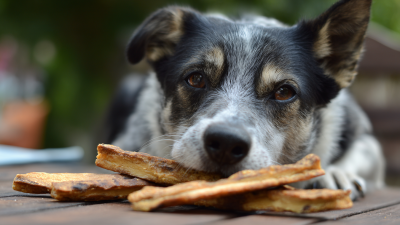
Figuring out the best chicken treats for your pets can honestly feel a bit overwhelming sometimes. The market for pet treats has exploded lately, with tons of options out there. According to the American Pet Products Association, chicken-based treats are pretty much at the top of the list in terms of popularity. And honestly, they’re not just tasty—they also give your furry friend some key nutrients they need.
Dr. Emily Carter, a veterinary nutritionist over at the Pet Nutrition Institute, put it well when she said, ‘Quality ingredients are really the main thing to consider if you want to keep your pet healthy.’ So, it’s worth paying attention to where the chicken comes from, how the treats are made, and what’s actually in them nutritionally.
Sometimes, those treats that look super tempting on the shelf might actually be lacking in real nutrition. Like, a lot of processed treats are just full of fillers instead of real chicken, which isn't great for your pet’s health. Keeping these little details in mind can help you avoid issues down the line. Picking the right chicken treats isn’t just about taste—it’s about making sure your pet stays happy and healthy overall.

Understanding the Nutritional Needs of Chickens
When selecting treats for your chickens, understanding their nutritional needs is crucial. Chickens require a balanced diet to thrive. They need protein, carbohydrates, fats, vitamins, and minerals. Pay attention to their age and breed, as requirements can differ. Young chicks need higher protein levels for growth, while adult chickens require fewer proteins.
Tips: Offer a variety of treats to prevent boredom. Fresh fruits, vegetables, and grains can enhance their diet. Avoid high-sugar or processed foods, as these can lead to health issues. Remember, moderation is key. Too many treats can disrupt their balanced diet, causing potential health issues.
Keep in mind that not all treats are suitable for every chicken. Observe how your chickens react to different foods. Some may have allergies or sensitivities. Ensuring you know your flock’s specific needs will help maintain their overall health. Regularly consulting with a poultry nutritionist can provide you with tailored advice. The right choice supports their well-being and keeps them happy.
Types of Chicken Treats Available in the Market
When selecting chicken pet treats, it's essential to understand the different types available. The market offers a variety of chicken treats suitable for dogs and cats. Common options include dehydrated chicken, chicken jerky, and freeze-dried chicken pieces. According to recent industry reports, the pet treat sector is expected to grow by over 5% annually. This growth reflects greater pet owner awareness regarding nutrition and quality.
Dehydrated chicken is popular because it retains nutrients and is convenient. It is a high-protein option that many pets enjoy. Chicken jerky, on the other hand, should be chosen carefully due to concerns about production quality. Some reports suggest that contaminants have been found in low-quality jerky products. Therefore, always opt for brands with assured quality control processes.
Tips:
- Always read the ingredient list. A short list indicates fewer additives.
- Consider the texture too; soft treats may appeal to older pets.
- Look for treats that meet your pet's dietary needs.
- Ultimately, it's crucial to balance quality and cost.
- Reflect on how your pet reacts to different treats; not every pet will respond the same way, and this requires observation and patience.
Evaluating Ingredients: What to Look for in Treats
When choosing chicken pet treats, ingredient evaluation is crucial. High-quality treats feature real chicken as the main ingredient. This ensures your pet receives the protein they need. Look for treats that list meat or meat meal high on the ingredient list. Avoid those filled with fillers like corn or soy, which offer little nutritional value.
Protein content should be around 30-40%, as recommended by the Association of American Feed Control Officials (AAFCO). Additionally, whole foods like vegetables or fruits should be included. These provide essential vitamins and minerals. Ingredients should be simple and recognizable. Long ingredient lists can indicate a lack of quality and transparency.
**Tip:** Always check for artificial preservatives. Natural preservatives are safer for your pets. Products with excessive sugars can be harmful too.
**Tip:** Consulting with a vet can guide you towards the best options for your pet’s specific dietary needs. Remember, not all treats are suitable for every chicken. Tracking their reactions to new treats is essential. Pay attention to any changes in behavior or digestion.
Assessing the Size and Form of Treats for Your Chickens
When choosing treats for your chickens, consider their size and form. Chickens come in various breeds, each with different beak sizes and digestive abilities. A small treat might be ideal for bantams, but it might be insufficient for larger breeds. Treats that are too big can lead to choking or digestive issues. Round or soft treats may be easier for chickens to manage.
Texture is another important factor. Crunchy treats can promote good beak health, while softer treats may provide a different experience. Offering a variety helps keep your chickens engaged. However, it's essential to monitor their reactions. If a particular treat seems challenging, you may need to adjust the size or texture. Observing their behavior can guide you toward making better choices.
Be mindful of the nutritional content in the treats you choose. Some treats are high in fat or sugar, which can lead to weight gain and other health problems. Always ensure that treats make up no more than 10% of their diet. This balance is crucial for maintaining their overall health and happiness. Experimenting with different options can be fun, but reflection on their health outcomes is vital.
Natural vs. Commercial: Which Treats Are Better?
When selecting chicken pet treats, the debate between natural and commercial options often emerges. Research shows that about 70% of pet owners lean towards natural treats. These treats typically consist of whole ingredients and lack additives. A study by the Association of American Feed Control Officials (AAFCO) found that natural treats can lead to better overall health in pets. Natural treats can promote shiny coats and improve digestion due to their nutritional content.
However, commercial treats are appealing to many due to their convenience and variety. A survey revealed that nearly 60% of pet owners opt for commercial treats because they are easily accessible. These products often contain preservatives and fillers that may not be beneficial. Some commercial brands may even include artificial flavors, raising concerns about long-term health effects. As pets have distinct dietary needs, what works for one might not work for another.
Consideration of sourcing is crucial. Many commercial brands claim quality ingredients, but not all meet the same standards. An unsettling 30% of pet treats analyzed by watchdog organizations fail to meet safety and nutritional guidelines. This discrepancy highlights the importance of research. Owners should analyze ingredient lists closely and consider their pet’s unique needs before making a decision. Whether opting for natural or commercial treats, informed choices matter most for a pet's health and happiness.
Safety Considerations When Choosing Chicken Treats
When selecting chicken treats for your pets, safety is paramount. Always check the ingredients list. Look for natural sources without fillers or artificial additives. Treats should be made solely from chicken or whole-food components. This ensures a more nutritious choice for your beloved animal.
Another consideration is sourcing. Opt for products from reputable suppliers. Research those companies to understand their safety practices. Many suppliers publish their safety protocols and certifications. This transparency adds a layer of trust. However, be wary; some brands make misleading claims. A little skepticism goes a long way.
Be observant of your pet’s reactions. It's wise to introduce new treats gradually. Monitor for any signs of allergies or digestive issues. Not all pets react the same way, even to natural ingredients. Personal experience and intuition guide many pet owners. It’s essential to learn what works for your pet. Don’t hesitate to seek advice from veterinarians. They can provide valuable insights tailored to your pet’s health needs.
How to Introduce New Treats to Your Chickens
Introducing new treats to your chickens can be an exciting time. However, it’s important to do it gently. Chickens can be cautious animals, and new treats might frighten them at first. Start by offering just a small amount.
Place the treat in their usual feeding area, so they feel comfortable.
Tips: Observe their reactions closely. Some chickens may eagerly approach, while others hang back. Allow them to explore the treat at their own pace. If they seem unsure, try breaking the treat into smaller pieces. This makes it easier for chickens to investigate without feeling overwhelmed.
Once they show interest, gradually increase the amount you offer. Mixing new treats with their regular feed can ease the transition. Keep in mind that not all chickens will love the same treats. Be patient and note which ones your flock prefers. This trial and error is part of building a trusting relationship with your chickens. You’ll learn what delights them and what doesn’t.
FAQS
: Chickens need protein, carbohydrates, fats, vitamins, and minerals for a balanced diet.
Young chicks require higher protein levels, while adult chickens need less protein.
Variety prevents boredom and enhances their diet with fresh fruits, vegetables, and grains.
No, high-sugar or processed foods can cause health issues if fed too often.
Observe their reactions; some may approach while others might hang back.
Offer small pieces and place the treat in their usual feeding area for comfort.
Start with a small amount and mix new treats with their regular feed.
Monitor their reactions to different foods to identify any allergic responses.
Be patient and note their reactions; trial and error help build trust.
A nutritionist can offer tailored advice for your flock's specific dietary needs.
Conclusion
When selecting the best chicken pet treats, it's essential to understand the nutritional needs of chickens. Different types of treats, such as grains, fruits, and commercial options, are available in the market, each offering various benefits. Evaluating the ingredients is crucial; look for high-quality, natural components that will support your chickens' health. Additionally, consider the size and form of treats to ensure they are suitable for your chickens' age and breed.
Deciding between natural and commercial treats can influence their well-being, so weigh the advantages of each. Safety should also be a top priority; ensure that any chicken pet treats you choose are free from harmful additives. Finally, when introducing new treats, do so gradually to monitor their reactions and maintain a happy, healthy flock.