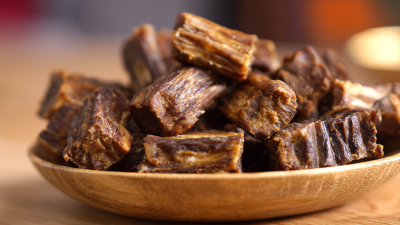
In today’s world of pet care, picking the right food for your furry buddy is more important than ever. You’ve probably noticed that more pet owners are leaning towards healthier options, and Natural Pet Food has definitely become a hot topic. I mean, Dr. Emily Parker, a well-known pet nutritionist and author, once said, 'The right natural diet can really transform your pet’s health and happiness.' That really hits home, doesn’t it? It just shows how vital good, natural ingredients are for keeping our pets happy and healthy.
But, honestly, choosing natural pet food isn’t just about dodging artificial stuff. It’s about giving your pet a balanced diet that’s kind of like what their wild ancestors would have eaten. And with all the different options out there, it can honestly get pretty overwhelming. You gotta pay attention to things like where the ingredients come from, what the nutrition labels say, and whether your pet has any special health needs. Taking a bit of time to understand these details really pays off, because it means you’re giving your furry friend the best nutrition they deserve.
In the end, diving into the world of natural pet food is all about learning and making informed choices. When you get it right, your pet can enjoy a happier and healthier life. So, as you explore these options, remember that the decisions you make can really have a lasting impact on your pet’s health and energy. It’s all about doing what’s best for them and staying curious along the way.

Understanding the Importance of Natural Pet Food for Your Pet
When it comes to the health and well-being of our pets, the choice of their food is paramount. Natural pet food is increasingly favored by pet owners, and understanding its importance is crucial. Recent studies indicate that nearly 70% of pet owners are now prioritizing natural ingredients, reflecting a shift in focus towards healthier options. Natural pet food typically contains fewer artificial preservatives, fillers, and by-products, which can lead to better overall health outcomes for pets, reducing the risk of obesity, allergies, and chronic diseases.
Tips for choosing natural pet food include checking the ingredient list for recognizable and wholesome components. Avoid foods with vague terms like “meat meal”; instead, look for specific sources of protein like “chicken” or “beef.” Additionally, consider consulting with a veterinarian to better understand your pet’s unique dietary needs based on age, breed, and health conditions. A balanced diet rich in vitamins, minerals, and healthy fats can enhance your pet’s coat condition, energy levels, and overall vitality.
Furthermore, it’s important to look for certifications or endorsements from reputable pet nutrition organizations. A report from the Association of American Feed Control Officials (AAFCO) found that diets formulated to meet their nutritional standards can significantly contribute to a pet’s health and longevity. Making informed choices can ensure your furry friend enjoys a longer, healthier life while benefiting from the natural goodness of their food.
Identifying Nutritional Needs Based on Pet's Age and Activity Level
When choosing the best natural pet food for your furry companion, it's essential to consider their specific nutritional needs, which vary significantly based on age and activity level. According to the Association of American Feed Control Officials (AAFCO), puppies and kittens require higher protein and fat levels to support their rapid growth and development. For instance, puppy food typically contains at least 22% protein and 8% fat, while adult dog food usually has around 18% protein and 5% fat. This discrepancy highlights the importance of adjusting a pet's diet to meet their life stage requirements.
As pets transition into adulthood and their activity levels fluctuate, their dietary needs will also change. Active dogs and cats, particularly working breeds or those frequently engaging in exercise, benefit from higher energy diets rich in complex carbohydrates and proteins, supporting their stamina and recovery. On the other hand, sedentary pets may require lower calorie content to prevent obesity, which affects nearly 60% of cats and 56% of dogs in the U.S., as reported by the Association for Pet Obesity Prevention. Understanding these variations is critical in selecting a natural pet food that not only satisfies your pet's taste preferences but also aligns with their unique health requirements based on age and lifestyle.
Reading and Interpreting Pet Food Labels Effectively
When choosing the best natural pet food for your furry friend, understanding how to read and interpret pet food labels is crucial. The Association of American Feed Control Officials (AAFCO) emphasizes that labels must include key elements such as ingredient lists, guaranteed analysis, and feeding guidelines. Pet food labels can provide insights not only into the nutritional content but also into the quality of ingredients used. For instance, look for whole, named meats as the first ingredient, which indicates a higher protein content beneficial for your pet's health.
Tips for reading labels include focusing on the ingredient list instead of fancy packaging. Ingredients are listed in descending order by weight, so if a grain or by-product leads the list, it may not be the best choice. Additionally, check for AAFCO statements that confirm the food meets specific nutritional standards. Research shows that pet owners often struggle with interpreting these labels; accordingly, a survey by the American Pet Products Association indicates that 54% of pet owners rely heavily on ingredient labels to make informed decisions about their pet's diet.
Another vital aspect is the guaranteed analysis found on the label, which indicates the minimum and maximum percentages of key nutrients such as crude protein and fat. Knowing that a well-balanced diet should comprise protein, fats, and carbohydrates in appropriate ratios can help guide your choice. Experts recommend that a protein content of around 20-30% for adult dogs, for instance, is generally ideal. Understanding these elements can empower pet owners to make healthier choices for their pets while navigating the complexities of pet food labels.
Common Ingredients to Look for in Natural Pet Food
When selecting natural pet food for your furry friend, it’s essential to pay attention to the ingredients. Common ingredients to look for include high-quality proteins such as chicken, beef, or fish, which are vital for your pet's muscle development and overall health. Look for whole grains like brown rice or oats, as these are excellent sources of energy and fiber. Additionally, fresh vegetables like spinach, carrots, and peas can provide essential vitamins and minerals that contribute to your pet’s well-being.
**Tips:** Always check for a meat source as the first ingredient listed, as this indicates a higher protein content. Opt for foods that do not include artificial additives, colors, or preservatives, as these can have long-term negative effects on your pet’s health. Be wary of vague terms like "meat by-products" which can indicate lower-quality ingredients.
Another important aspect to consider is the inclusion of healthy fats. Ingredients like fish oil or flaxseed provide omega-3 and omega-6 fatty acids, promoting a shiny coat and healthy skin. Additionally, look for prebiotics and probiotics that support digestive health, ensuring your pet's gut is functioning optimally.
**Tips:** When transitioning to a new natural pet food, do so gradually over a week to avoid digestive upset. Monitor your pet’s reaction to the new food, and consult with your veterinarian if you have any concerns about specific ingredients or your pet’s specific dietary needs.
Common Ingredients in Natural Pet Food
Avoiding Harmful Additives and Fillers in Pet Food
When selecting natural pet food, one of the most critical factors to consider is the presence of harmful additives and fillers. Many commercial pet foods are laden with artificial preservatives, colors, and flavors that can negatively impact your pet's health over time. These ingredients are often included to enhance shelf life or improve visual appeal rather than provide any nutritional value. Therefore, it is essential to scrutinize ingredient lists and opt for foods that prioritize wholesome, natural components over synthetics.
In addition to avoiding artificial additives, being aware of fillers is crucial. Ingredients such as corn, wheat, and soy are commonly used as inexpensive fillers that can contribute little to your pet's nutritional needs. Instead, seek out foods that list high-quality proteins, whole grains, and a variety of fruits and vegetables as primary ingredients. This approach not only ensures that your furry friend receives a balanced diet but also minimizes the risk of food allergies and sensitivities that could arise from consuming low-quality fillers. By focusing on natural, additive-free options, you can make an informed decision that promotes the long-term health and well-being of your pet.
Comparing Brands: Researching Quality and Reputation
When selecting the best natural pet food, understanding the quality and reputation of various brands is crucial. A recent report by the American Pet Products Association indicates that 68% of U.S. households own pets, highlighting an increasing demand for natural pet food options. Consumers are becoming more discerning, often looking for products that boast high-quality ingredients and transparent sourcing practices. It’s essential to research not only the ingredients list but also the company’s history, manufacturing processes, and commitment to animal welfare to ensure that the food you choose is not just marketed as “natural” but is truly beneficial for your pet’s health.
Another important aspect to consider is the brand’s reputation in the market, which can significantly impact your decision. According to a survey by the Pet Food Institute, over 75% of pet owners rely on product reviews and recommendations from veterinarians when selecting food for their pets. This emphasizes the need for researching customer feedback and expert opinions on different brands. Furthermore, you might want to look into third-party testing results and certifications, as these can serve as indicators of a brand’s credibility and commitment to maintaining high-quality standards. By taking the time to compare various options, pet owners can make informed choices that prioritize the health and well-being of their furry companions.
How to Choose the Best Natural Pet Food for Your Furry Friend - Comparing Brands: Researching Quality and Reputation
| Pet Food Type |
Main Ingredients |
Protein Source |
Grain-Free |
Average Rating |
Price per lb ($) |
| Dry Food |
Chicken, Brown Rice, Peas |
Chicken |
Yes |
4.5 |
2.50 |
| Wet Food |
Salmon, Sweet Potatoes, Spinach |
Salmon |
No |
4.7 |
3.00 |
| Grain-Free Kibble |
Lamb, Peas, Sweet Potatoes |
Lamb |
Yes |
4.6 |
2.80 |
| Raw Food |
Beef, Raw Vegetables, Fruits |
Beef |
Yes |
4.8 |
5.00 |
Choosing Between Dry, Wet, and Raw Food Options
When selecting the best natural pet food, one of the key decisions pet owners face is choosing between dry, wet, and raw food options. Each type of food comes with its own set of benefits, and understanding these can help in making an informed choice. According to a report by the American Pet Products Association, pet owners spent over $42 billion on pet food in 2022, highlighting the growing importance of premium and natural food options.
Dry food, or kibble, is often favored for its convenience and cost-effectiveness. It typically has a longer shelf life and can contribute to dental health by helping to reduce tartar buildup. On the other hand, wet food can be more palatable for pets and is a great option for those needing to increase their water intake, especially in cases of specific health concerns. A study published in the Journal of Animal Science indicated that around 70% of pet owners perceive wet food as a higher-quality option due to its rich nutrient profile and moisture content.
Raw food diets have also gained popularity, especially among those who prioritize natural feeding practices. Advocates suggest that a raw diet mirrors what pets would eat in the wild, potentially leading to improved coat condition and increased energy levels. However, pet owners should be cautious and ensure that the raw diets they choose are balanced and commercially prepared to minimize the risk of bacterial contamination. With a growing market, projected to reach $7.4 billion by 2025, raw food options are beginning to offer formulations that cater to the specific nutritional needs of pets. Ultimately, the choice between these food types should consider a pet's individual health needs, preferences, and the owner's lifestyle.
Nourishing Your Furry Friend: A Closer Look at LSS-08 Dried Duck Sausage Natural Pet Food
When it comes to choosing the right diet for our furry companions, the emphasis on natural ingredients has gained significant traction in recent years. One outstanding product that embodies this focus is the LSS-08 Dried Duck Sausage, a natural pet food designed with the nutritional needs of pets in mind. Studies show that incorporating high-quality protein sources, such as duck, can greatly enhance a pet's overall health by supporting muscle maintenance and immune function. With a crude protein content of at least 25%, this product ensures that pets receive adequate nutrition to thrive.
In addition to its rich protein content, LSS-08 Dried Duck Sausage maintains an optimal balance of fats and fibers, providing essential energy while promoting digestive health. The product contains a minimum of 5% crude fat, which is crucial for a pet’s energy levels and skin health, while its low crude fiber content of 0.2% ensures efficient digestion and nutrient absorption. Furthermore, with a shelf life of 18 months, it offers convenience without compromising the quality or nutritional value.
Pet owners are increasingly turning to natural pet food options, motivated by trends that highlight the importance of whole food ingredients. Research indicates that diets high in natural proteins and low in fillers contribute significantly to a pet’s wellbeing. The simple ingredient list, featuring duck as the main ingredient, aligns with the desires of conscientious pet owners looking to provide their pets with wholesome, nutritious meals.
FAQS
: Reading pet food labels helps you understand the nutritional content and quality of ingredients, allowing you to make informed choices for your pet’s diet.
The first ingredient should ideally be a whole, named meat, as this indicates higher protein content that is beneficial for your pet's health.
Look for high-quality proteins, whole grains, fresh vegetables, and avoid vague terms like "meat by-products," which may indicate lower-quality ingredients.
Guaranteed analysis shows the minimum and maximum percentages of key nutrients such as crude protein and fat, helping you assess the diet’s balance.
Healthy fats, such as those from fish oil or flaxseed, provide essential omega-3 and omega-6 fatty acids, which promote a shiny coat and healthy skin.
Transition to a new pet food gradually over a week to prevent digestive upset, and monitor your pet’s reaction to the new diet.
Avoid foods with artificial preservatives, colors, flavors, and unnecessary fillers like corn, wheat, and soy, which offer little nutritional value.
Prebiotics and probiotics support digestive health by promoting a healthy gut, which is vital for your pet’s overall well-being.
Look for AAFCO statements on the label, which confirm that the food meets specific nutritional guidelines.
Prioritize ingredient quality over packaging; seek natural, additive-free foods that provide balanced nutrition for your pet.
Conclusion
Choosing the best Natural Pet Food for your furry friend is essential for their health and well-being. Understanding the significance of natural ingredients can help owners meet their pets' nutritional needs, which vary according to age and activity levels. To make informed decisions, it's important to effectively read and interpret pet food labels, identifying beneficial ingredients while avoiding harmful additives and fillers.
Additionally, researching various brands can provide insights into their quality and reputation, ensuring you select the best options for your pet. As you explore the different formats available—dry, wet, or raw food—you'll find that each option has its advantages. Ultimately, prioritizing Natural Pet Food can lead to happier, healthier pets and a more rewarding pet ownership experience.