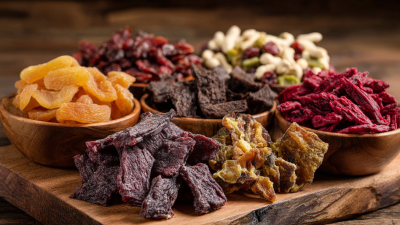
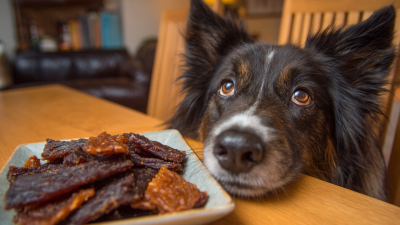
When you're picking out bulk pet snacks for your business, getting to know the market really matters. I mean, 'Quality is king when it comes to bulk buys,' as Dr. Linda Thompson, a well-known pet nutrition expert tied to PetCare Insights, always points out. She’s pretty clear that choosing the right snacks doesn’t just affect pet health— it also has a huge impact on how happy your customers are.
Bulk pet snacks come in all sorts of textures, flavors, and forms. So, figuring out what’s best for your target audience is key. Are you mainly after good nutrition, or is keeping costs low more important? Finding that perfect balance between the two is crucial. And don’t forget — sourcing from reputable suppliers is super important. If the quality isn’t consistent, you risk disappointing your customers and even harming your shop’s reputation.
Take a moment to think about what your business truly stands for. Are you all about offering high-quality, organic snacks? Or do you mainly need more budget-friendly options? Whatever your choice, it says a lot about your brand and also plays a role in pet health. Doing some solid research will help you find snacks that meet your standards and match what your customers are looking for.
When selecting bulk pet snacks, understanding quality is paramount. Quality translates directly to health benefits for pets. Pets consume these snacks frequently, so choosing high-quality ingredients ensures nutritional value. Poor quality snacks may lead to health problems, affecting pets and owners alike.
Tips: Check ingredient lists thoroughly. Look for natural ingredients without fillers. Avoid snacks with artificial preservatives. Quality assurance matters. Consider sourcing from reputable suppliers who conduct regular quality checks.
A common misconception is that all bulk snacks are created equally. It’s easy to be lured by lower prices. However, cheap snacks can compromise pet health. A careful selection process helps prevent potential issues, such as allergies or digestive problems.
Tips: Conduct research on suppliers. Look for reviews and testimonials from other businesses. Transparency in sourcing is a hallmark of reliability. Investing time in this process pays off in customer satisfaction and pet health.
| Category | Key Features | Quality Indicators | Typical Pricing (per lb) |
|---|---|---|---|
| Dog Treats | High protein, grain-free options, dental benefits | Natural ingredients, sourced from local suppliers, no artificial preservatives | $5 - $10 |
| Cat Treats | Fish-based, crunchy & soft texture, low-calorie options | Rich in omega-3 fatty acids, vet-approved formulations, minimal additives | $6 - $12 |
| Small Animal Snacks | Hay-based, vitamin-enriched, various shapes and sizes | Non-GMO ingredients, high fiber content, palatability tested | $4 - $8 |
| Bird Treats | Seed mixes, fruit-flavored, nut-enriched | No artificial colors, balanced nutritional profile, freshness guaranteed | $3 - $7 |
| Reptile Treats | Insect-based, freeze-dried options, high calcium | Lab-tested for safety, no fillers, vitamin fortified | $10 - $15 |
Choosing the right bulk pet snacks starts with understanding the nutritional needs based on pet type and age. Puppies require higher protein levels for growth. They also need specific vitamins to support their development. Older dogs may have different requirements. They often need less fat and more fiber to aid digestion.
Cats, too, have unique nutritional needs. Kittens benefit from snacks that promote strong bones and teeth. Adult cats need a balanced diet to maintain energy. Senior cats, on the other hand, may struggle with weight gain. Snacks should be lower in calories but still provide essential nutrients.
Some pet owners overlook the importance of professional guidance. Consulting a veterinarian can help refine your choices. Each pet is unique, and a one-size-fits-all approach does not work. Keeping an eye on how pets react to different snacks is crucial. Some pets may have allergies or sensitivities. Regular adjustments to their snacks can help maintain optimal health. Making informed decisions based on specific needs will ultimately lead to healthier pets.
When selecting bulk pet snacks, understanding popular ingredients is crucial. Various components can provide different health benefits for pets. For instance, meats like chicken and beef are high in protein. These ingredients support muscle development and overall energy. Fish, being rich in omega-3 fatty acids, contributes to healthy skin and a shiny coat.
Additionally, many pet snacks include vegetables like sweet potatoes and carrots. These ingredients are excellent sources of vitamins and fibers. They can aid digestion and improve gut health in pets. However, it is essential to recognize that not all ingredients are suitable for every pet. Some pets may have food allergies or sensitivities, making it crucial to read ingredient labels carefully.
Choosing the right pet snacks requires knowledge and awareness. Some ingredients may seem healthy but could cause digestive issues in certain animals. Always consider the digestibility of ingredients. Cheaper options may use fillers that lack nutritional value. Aim for snacks that combine quality ingredients with health benefits. This approach ensures that pets receive the nutrition they need without unwanted side effects.
When choosing bulk pet snacks, regulatory compliance is crucial. Different regions have specific requirements for ingredients, labeling, and safety. Understanding these regulations can keep your business safe and reputable. Compliance also reflects your commitment to pet health.
Tip: Check sourcing certificates from suppliers. This ensures that ingredients meet safety standards.
Not all suppliers are transparent. Every ingredient should be traceable, and labels must be clear. If your snacks contain allergens or specific additives, they must be disclosed. Errors in labeling can lead to recalls, damaging your brand's reputation.
Tip: Regular audits of your suppliers can help maintain compliance.
Navigating compliance is challenging. Keep abreast of updates in pet food regulations. Attend workshops or join industry associations for the latest information. Staying informed helps avoid pitfalls that can hurt your business. A proactive approach in this area can enhance consumer trust.
When selecting bulk pet snacks, cost-effectiveness is crucial. Many businesses grapple with balancing price and quality. The pet food industry has seen steady growth, with a projected market size of $98.4 billion by 2025. This statistic underscores the importance of making informed purchasing decisions to stay competitive. Cheaper options might tempt you, but low price often equates to subpar quality.
A recent study showed that around 70% of pet owners prioritize high-quality ingredients. This trend suggests that businesses should align their offerings with consumer preferences to build trust. Sourcing snacks made with natural ingredients can bolster your brand's reputation. However, it’s essential to weigh the price of quality products against potential margins.
Consider your target market's expectations. Many consumers are willing to pay a bit more for better choices. Yet, if your cost is too high, you risk losing customers. Monitoring suppliers and comparing prices can aid in decision-making. Keeping records of past purchases will also help assess the true cost-effectiveness of different brands. Balancing these factors is not easy, but it is necessary to remain relevant in the evolving pet snack market.
Choosing the right pet snack supplier is crucial for your business. Reliability and transparency are essential factors to consider. A dependable supplier should have a track record of delivering quality products consistently. Seek suppliers who are open about their sourcing practices, including where and how they procure their ingredients. Transparency builds trust and ensures the product meets safety standards.
Investigate suppliers' credentials. Look for certifications that indicate compliance with industry regulations. However, certifications alone don’t guarantee quality. Engage in conversations with suppliers to gauge their expertise and commitment. Ask questions about their sourcing methods and production processes. This dialogue will help you identify red flags or areas missing clarity.
It’s important to reflect on the potential pitfalls. Not all suppliers will provide complete information upfront. Be cautious of vague responses or reluctance to share details. Keep in mind that a proactive approach could reveal underlying issues. Trust your instincts if something feels off. Balancing cost and quality is crucial, but the source's reliability should never be overlooked.
Monitoring consumer trends is crucial for pet snack businesses. The pet snack market is projected to reach approximately $30 billion by 2027, according to industry reports. This growth highlights the importance of staying updated with changing consumer preferences. Customization and natural ingredients have become popular, as pet owners increasingly seek healthier options for their pets.
One significant trend is the rise of plant-based snacks. A survey showed that 25% of pet owners are interested in vegan options. This shift reflects the growing humanization of pets and their diets. Understanding these preferences helps businesses align their product offerings.
Tips: Engage with your customers. Use social media to gather feedback on what they want. Offering samples can help gauge interest in new flavors. Monitor industry reports and market research to stay informed about competitor activities and emerging trends. Adapting to these factors may require reflection on current product lines. Businesses should be prepared to pivot in response to shifting consumer desires.
: Regulatory compliance ensures safety and builds a reputable business. It shows commitment to pet health.
Check sourcing certificates from suppliers to confirm ingredients meet safety standards.
Ensure every ingredient is traceable and labeling is clear to avoid compliance issues.
Regular audits help maintain compliance and ensure quality. They are essential for reputation management.
Errors in labeling can lead to recalls, affecting brand reputation and customer trust.
Attend workshops and join industry associations for the latest updates and information.
Many consumers prioritize high-quality ingredients, even willing to pay more for better options.
Balance quality against potential margins to avoid losing customers due to high prices.
Compare prices and keep records of past purchases to evaluate true cost-effectiveness.
No, it requires careful consideration of market expectations and product quality.
Choosing bulk pet snacks for your business requires careful consideration of several factors. First and foremost, the quality of the snacks is paramount, as it directly impacts pet health and customer satisfaction. Evaluating the nutritional needs based on pet type and age ensures that the snacks cater to specific dietary requirements. It's also essential to identify popular ingredients and understand their benefits for pets to meet consumer demand effectively.
Additionally, businesses must analyze regulatory compliance to ensure that all pet snack products are safe and meet industry standards. Cost-effectiveness plays a crucial role in bulk purchases, where finding a balance between price and quality is key. Lastly, assessing supplier reliability and maintaining transparency in sourcing are vital to build trust with customers. Staying updated on trends in pet snacks allows businesses to adapt and cater to evolving consumer preferences, making for a successful venture in the bulk pet snacks market.