Picking the right dried pet snacks really matters when it comes to keeping your furry friend happy and healthy. I remember Dr. Jane Caldwell, a top expert in pet nutrition, once said, ‘Not all treats are created equal,’ which just goes to show how important it is to make informed choices. When you're browsing for snacks, it’s a good idea to check the ingredients list. Go for natural options with as few additives as possible — since what’s in those treats can really impact your pet’s well-being. Honestly, a lot of pet owners skip this step, but it’s worth paying attention to.
Also, don’t forget that every pet is different. Some might love that crunch, while others prefer chewy snacks. Pay attention to how your pet reacts—sometimes you need to experiment a bit to find what they really enjoy. Trust me, finding the perfect dried pet treats can sometimes be a bit of a trial-and-error process. And hey, don’t sweat it if you make some mistakes along the way — they’re just part of the journey to discovering what your pet truly likes.

Choosing the Right Dried Pet Snacks: Understanding Nutritional Needs
When choosing dried pet snacks, it’s vital to understand your pet’s nutritional needs. A recent report from the Association of American Feed Control Officials (AAFCO) highlights that pets require a balanced intake of protein, fats, and carbohydrates. For instance, cats often need a higher protein content, around 30% in their diet. This means that snacks should also mirror this balance.
Not all dried snacks are created equal. Some might contain fillers or artificial additives. A study published in the Journal of Animal Science found that over 25% of pet snacks marketed as healthy actually lacked essential nutrients. This could lead to deficiencies in pets over time. Checking labels and ingredient lists is critical. Look for whole ingredients, like meat or vegetables, rather than unspecified by-products.
Pet preferences matter too. Some pets may reject snacks that are overly dry or hard, limiting your choices. Biscuits might crumble, while jerky can be chewy. Experimentation may be necessary to find what your pet enjoys. It’s okay if you don’t get it right immediately. Learning about your pet’s likes and dislikes is part of the journey. Balancing taste with nutrition ensures that choosing the right snacks becomes a rewarding experience for both you and your pet.
Types of Dried Pet Snacks: Benefits of Natural vs. Processed Options
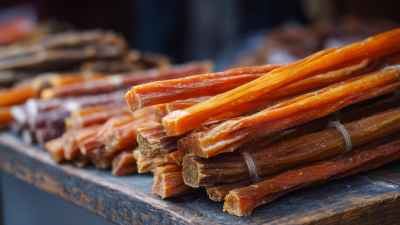
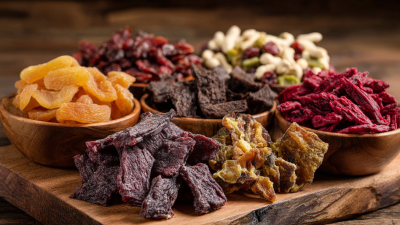
When choosing dried pet snacks, understanding the differences between natural and processed options is crucial. Natural snacks, made from whole ingredients, often retain vital nutrients. They can include options like dried meat, fruits, or vegetables. These snacks can be appealing to pets due to their rich flavors and textures.
However, they may spoil faster compared to processed alternatives. Owners need to consider storage and shelf life when making their choice.
Processed snacks, on the other hand, often have a longer shelf life. They might include additives for flavor or preservation. While these can be convenient, the ingredient list may contain less desirable components. Some processed snacks can be high in calories or fillers, which could lead to weight gain.
It’s important to read labels carefully and reflect on what’s best for your pet's health.
Mixing both types could be beneficial, offering variety. However, balance is key. Too many processed treats can overshadow the benefits of natural options. Pet owners should weigh these factors and observe how their pets respond to different snacks.
Ultimately, every pet is unique, and their dietary needs may vary.
Analyzing Ingredient Labels: What to Look for in Dried Pet Snacks
When choosing dried pet snacks, ingredient labels are essential. First, look for high-quality protein sources. This is crucial for your pet's health. Quality meats or fish should be listed first. Avoid snacks with vague terms like "meat by-products." These can indicate low-quality ingredients.
Tips: Check for added sugars and artificial preservatives. These can harm your pet's health over time. A few natural preservatives are safer. Some snacks may appear appealing but can contain harmful fillers. Watch for items that don't list specific ingredients.
Consider the pet's dietary needs. Some pets require grain-free options. Others might benefit from added vitamins and minerals. If you're unsure, consult a vet. Trust your instincts too. If an ingredient seems unfamiliar, research it. Your pet's health is worth the effort.
Comparison of Nutritional Components in Dried Pet Snacks
Evaluating Protein Sources: Animal-Based vs. Plant-Based Proteins
When selecting dried pet snacks, protein sources play a crucial role in your pet's diet. Animal-based proteins are often preferred. They are rich in essential amino acids, which are vital for your pet’s growth and energy. These proteins come from meat, fish, and poultry. They provide a flavorful option that many pets seem to enjoy. However, sourcing quality animal proteins can sometimes be challenging. Not all animal proteins are created equal; some may contain fillers or additives.
On the other hand, plant-based proteins can be beneficial as well. They are typically easier to digest and can be a good option for pets with food sensitivities. Legumes and grains are common plant protein sources. However, they often lack some essential nutrients found in animal proteins. There’s also an ongoing debate about whether pets can efficiently utilize these plant proteins. Observing your pet’s reaction to different protein sources may help in understanding their unique needs. It's worth considering a balanced combination to ensure your pet thrives.
Assessing Snack Texture: Impact on Dental Health for Pets
Choosing the right dried pet snacks involves understanding their texture and its impact on dental health. Many pets suffer from dental issues, and the snacks they consume can play a crucial role. According to a study by the American Veterinary Dental College, approximately 80% of dogs and 70% of cats show signs of oral disease by age three. This statistic highlights the importance of selecting snacks that promote dental hygiene.
Dried snacks with appropriate textures can help reduce plaque and tartar buildup. Chewy textures encourage pets to gnaw and chew more, stimulating their gums and preventing dental problems. Studies have shown that certain textures encourage a mechanical cleaning action in pets' mouths. This action is vital in maintaining their overall dental health.
Tips: Look for snacks that are specifically designed to promote dental health. Ensure that these snacks are not too hard, which may cause tooth fractures. Monitor your pet's chewing habits. If they seem to struggle or avoid certain textures, it could indicate discomfort. Remember, not all pets respond the same way to textures, and adjustment may be necessary. Always observe your pet's reactions to new snacks, as preferences can vary widely.
Caloric Content and Portion Control: Preventing Obesity in Pets
When choosing dried pet snacks, understanding caloric content is essential. Many pet owners overlook the calories in treats. This can lead to unintentional weight gain. A simple snack can contain more calories than you think. For example, a few large pieces may equal a full meal. Monitoring these calories helps keep your pet healthy.
Portion control is equally important. Even healthy snacks can contribute to obesity if given in excess. Use a small dish for snacks. This can help measure out appropriate portions. It’s easy to give too much when you’re not paying attention. Sometimes, we treat our pets like family. But love does not mean overfeeding.
Be aware of your pet’s activity level. Less active pets need fewer calories. Adjust their snacks accordingly. Reflecting on their diet can prevent health issues. Think about their overall treat intake, not just one or two snacks. Finding balance is key. It’s a learning process for all pet owners.
Consulting with Veterinarians: Importance of Professional Guidance in Choices
When it comes to selecting dried pet snacks, veterinarians play a crucial role in guiding pet owners. Their expertise can help you understand your pet’s unique nutritional needs. Each pet is different, and what works for one may not suit another. A consultation can reveal important factors like age, breed, and health status. For instance, older pets may have specific dietary restrictions, while active dogs might require higher protein snacks.
Listening to recommendations from a vet can prevent potential issues. Many owners overlook ingredients that might be harmful. Some dried snacks are packed with preservatives and fillers that do little for your pet's health. A vet can help filter out those less beneficial options. It’s essential to consider factors like allergies as well. Your pet may react to certain ingredients without you realizing it.
Engaging with your veterinarian ensures you make informed choices. It can save time, money, and heartache down the line. Remember, professional guidance is not just about what to feed your pet; it's about their overall well-being. Don’t hesitate to ask questions that may seem trivial. Every detail matters, and your vet is there to help.
How to Choose the Best Dried Pet Snacks for Your Pet?
| Criteria |
Description |
Veterinarian Recommendation |
| Ingredient Quality |
Look for high-quality proteins and natural ingredients that are nutritious. |
Consult your vet for ingredient lists that are suited to your pet's dietary needs. |
| Flavor Preferences |
Choose flavors that your pet enjoys to ensure they will eat the treats. |
Vets can suggest flavors based on your pet's likes and dislikes. |
| Texture |
Consider soft, chewy treats vs. crunchy ones, depending on your pet's dental health. |
Veterinarians can evaluate what's best for your pet's teeth and gums. |
| Nutritional Value |
Check for added vitamins and minerals that contribute to overall health. |
Ask your vet about essential nutrients that should be included in treats. |
| Caloric Content |
Monitor calories to ensure treats don’t lead to obesity. |
Veterinarians can help calculate appropriate treat portions based on diet. |
FAQS
: The article aims to inform readers about a specific topic.
Anyone interested in learning more can benefit.
The article highlights several important details. Focus is on practical advice and insights.
Readers should think about how these ideas fit their daily situations.
Yes, the article discusses challenges and areas needing improvement.
The article is based on credible sources, but always verify independently.
The content is relevant to a broad audience, not just experts.
Readers are encouraged to consider their own experiences and viewpoints.
It provides suggestions but emphasizes personal judgment.
Regularly revisiting can help reinforce understanding and application.
Conclusion
When selecting the best dried pet snacks for your furry friend, it's essential to understand their nutritional needs. Dried pet snacks can vary significantly in their composition, with natural options often being preferable due to their fewer additives. Evaluating ingredient labels is crucial, focusing on the quality of protein sources—whether they are animal-based or plant-based—as these will impact your pet's health.
Texture also plays a significant role, as certain snacks can contribute to better dental health, while others may not provide the same benefits. Monitoring caloric content and practicing portion control is vital in preventing obesity in pets. Finally, consulting with veterinarians can offer professional insight into choosing the most suitable dried pet snacks for your pet’s unique needs, ensuring that their diet supports a healthy and happy life.