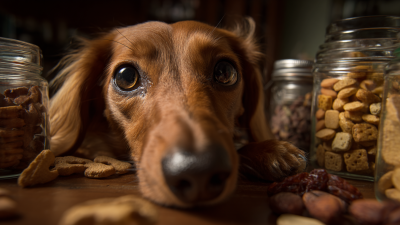
Picking out the right dried pet snacks really matters when it comes to your furry buddy’s health. Honestly, a lot of pet owners don’t pay enough attention to the nutrition in treats—they just see something shiny or colorful and buy it without thinking twice. But here’s the thing: a healthy snack can actually give your pet a nice boost in energy and keep them feeling their best. The catch? Not all snacks are created equal.
When you’re choosing dried snacks, take a good look at the ingredients. Go for stuff that’s natural and high-quality—stuff you'd be okay feeding your own family. Steer clear of snacks filled with weird additives or fillers. Your pet deserves better than that. Yeah, it’s easy to get caught up in packaging that’s eye-catching or flashy claims, but honestly, what really counts is what’s going into their body and how it helps them.
And hey, chatting with other pet owners can be super helpful. Everyone’s got their own stories—some pets might love certain snacks and do great on them, while others might react with allergies or tummy troubles. Listening to these experiences can really help you make smarter choices. At the end of the day, remember—that your pet’s happiness and health depend on what you choose to give them. So, it’s worth putting in a little extra thought into those treats we toss their way.

Understanding Nutritional Needs of Pets for Healthy Snacks
When choosing healthy dried pet snacks, understanding the nutritional needs of your pet is crucial. Dogs and cats have different dietary requirements based on their age, size, and activity levels. High-quality protein sources are essential for maintaining healthy muscle and energy levels. Look for snacks that list real meat as the main ingredient. Some snacks are high in fillers, like corn or soy, which offer little nutritional value.
Moreover, be aware of added sugars and artificial preservatives. These ingredients may appeal to pets’ taste but can lead to health issues. Opt for snacks with natural preservatives instead. Omega-3 fatty acids are also important for skin and coat health. Seek out treats that include fish oil or flaxseed for added benefits.
While it can be tempting to indulge pets with treats, moderation is key. Too many snacks can lead to obesity and related health problems. Consider the total caloric intake from snacks relative to their regular diet. It's a balancing act that requires careful consideration. Regular consultation with a veterinarian can provide specific insights tailored to your pet’s unique health needs. Always stay informed, and strive for quality over quantity when selecting dried snacks for your furry friends.
Essential Tips for Choosing Healthy Dried Pet Snacks - Understanding Nutritional Needs of Pets for Healthy Snacks
| Pet Type |
Common Ingredients |
Nutritional Benefits |
What to Avoid |
| Dogs |
Chicken, Sweet Potatoes, Carrots |
High in protein and vitamins; promotes healthy skin and coat |
Artificial preservatives, excessive salt, and sugar |
| Cats |
Fish, Chicken Liver, Pumpkin |
Rich in Omega-3 fatty acids and taurine; supports eye health |
Grains, artificial flavors, and colors |
| Rabbits |
Timothy Hay, Dried Herbs, Carrot Tops |
High in fiber; supports digestive health |
Seeds, nuts, and high-calcium foods |
| Guinea Pigs |
Bell Peppers, Dried Grass, Herbs |
Vitamin C-rich; promotes overall health |
Processed snacks, high sugar content |
Types of Dried Pet Snacks: What's Healthy and What's Not
When selecting dried pet snacks, understanding the types available is crucial. There’s a range of products on the market. Some are made from wholesome ingredients like lean meats and vegetables. These can provide essential nutrients for your pet. Others, however, are often high in preservatives or artificial additives. These should be avoided, as they can lead to health issues over time.
Dried fish treats are generally healthy, packed with omega-3 fatty acids. They support skin and coat health. Chicken jerky, when made from high-quality sources, can be a good source of protein. However, some brands have been linked to recalls due to questionable sourcing. Always research before purchasing.
Additionally, be cautious of grain-based snacks. Many pets are sensitive to grains, causing digestive problems. Look for options that list meat or fish as the primary ingredient. Transformation into long-lasting treats may involve processing methods that compromise quality. Always read ingredient labels carefully. Ensure you choose snacks that genuinely contribute to your pet's well-being.
Reading Labels: How to Identify Quality Ingredients
Reading labels is crucial when selecting healthy dried pet snacks. Look for ingredients that you can easily recognize. Real meat, vegetables, and whole grains should be at the top of the list. Avoid snacks with vague terms like "meat by-products" or "animal derivatives." These phrases often signal lower quality and can compromise your pet's health.
Nutritional information is equally important. Check the protein content and the sources of fat. Snacks should not contain fillers or artificial additives. Ingredients that sound like chemicals or are hard to pronounce often indicate poor quality. Be mindful of common allergens, such as wheat or soy, which can be harmful to some pets.
It's also wise to observe the texture and smell of the snacks. A fresh scent and a firm texture typically indicate quality. If a product seems old or "off," it's probably best to avoid it. Sometimes, trusting your instincts is as valuable as reading a label. Making small changes in snack choices can lead to significant health benefits for your furry friend.
Avoiding Harmful Additives in Dried Pet Snacks
When selecting dried pet snacks, it's crucial to check the ingredients. Many products on the market contain harmful additives. These can lead to health problems in pets. Preservatives, artificial flavors, and colors are common culprits. Pets digest these substances poorly. Over time, they can cause allergies or digestive issues. Always opt for snacks with minimal ingredients that are recognizable.
Look for natural options. Dehydrated fruits and vegetables are often a safe bet. Look for snacks that list whole ingredients. This means no fillers or synthetic additives. Sometimes, pet owners overlook the importance of quality. The packaging should clearly state the sourcing and production methods. Transparency is key.
Another point to consider is portion size. Many treats can be high in calories. Overindulgence may lead to obesity in pets. Regularly monitor your pet’s weight and adjust snacks accordingly. Reflect on the snacks you provide. Are they truly benefiting your pet’s health? Make informed choices, and consult a vet for guidance on suitable snacks.
Homemade Dried Snacks: A Healthy Alternative
When it comes to pet snacks, homemade dried options stand out as a healthier alternative. According to a study conducted by the Pet Food Institute, over 70% of pet owners prefer natural ingredients in their pet foods. Making dried snacks at home allows you to control the ingredients and avoid preservatives often found in store-bought snacks.
Start with fresh, pet-friendly ingredients. Consider using fruits like apples or vegetables like sweet potatoes. Dehydrating these can enhance nutrients while retaining flavor. A study from the Journal of Animal Science indicates that homemade snacks can provide more balanced nutrition than commercial options, which often lack essential vitamins.
Pay attention to portion sizes. Homemade snacks can be healthier, but they can also be calorie-dense. It’s wise to limit treat intake to keep your pet’s weight in check. Many pet owners overlook this aspect, leading to unintended weight gain. Remember to always supervise your pet when trying new snacks. Watching how they react to new foods is critical for their health and well-being.
Portion Control: Serving Sizes for Different Pets
When selecting dried snacks for pets, understanding portion control is essential. Serving sizes vary by pet type, size, and activity level. For example, an energetic dog may require larger portions compared to a sedentary one. According to the Association for Pet Obesity Prevention, nearly 60% of pets in the United States are overweight, which highlights the need for proper portion management.
A general guideline suggests that treats should not exceed 10% of a pet’s daily caloric intake. For a medium-sized dog consuming around 800 calories daily, this translates to just 80 calories from treats. Meanwhile, smaller pets, like cats, need even less. Research shows that overfeeding can lead to serious health issues, including diabetes and joint problems.
Monitoring their reactions can help determine portion suitability. A pet’s activity levels should guide how much you serve. Frequent weigh-ins can also provide insight into their health status. Adjustments may be necessary over time. Remember, healthy pets often require ongoing assessment of their eating habits and treat sizes. This approach fosters better long-term health.
Regulatory Standards for Commercial Pet Snacks: What to Know
When selecting commercial pet snacks, understanding regulatory standards is crucial. These standards ensure that products meet safety and quality benchmarks. They vary by region but often include guidelines on ingredient sourcing and nutritional content. Always check if the snacks have passed safety assessments.
Some snacks may appear healthy but lack vital nutrients. It's essential to scrutinize ingredient lists and look for reliable certifications. Products should clearly state their sourcing practices and nutritional benefits. Some pet owners might overlook this, assuming all snacks are safe. This assumption can lead to health issues in pets.
Choosing the right snacks involves balancing nutrition and safety. Many products on the shelves have appealing packaging, but not all are beneficial. Educating yourself on standards can help avoid misleading options. Pet nutrition is complex, and understanding these aspects can foster better choices for your furry friends. Engaging with professionals in pet care can enhance your knowledge further.
Market Insights: Elevating Pet Nutrition with LSC-41 Chicken and Cod Sandwich Dried Pet Snacks in 2023
In 2023, the pet food industry continues to witness significant transformations as pet owners become increasingly aware of the nutritional needs of their furry companions. The focus on high-quality ingredients is paramount, and products that combine nutrition with palatability are gaining traction. Among these innovations are the LSC-41 Chicken and Cod Sandwich Dried Pet Snacks, which emphasize a balanced nutritional profile suitable for a variety of pets.
This product boasts a crude protein content of over 30%, making it an excellent source of energy and muscle development, essential for active pets. The inclusion of chicken and cod not only caters to protein needs but also offers omega-3 and omega-6 fatty acids, known for their beneficial impacts on skin and coat health. Furthermore, the composition of these snacks, with a crude fat content of at least 7% and minimal fiber, ensures that pets receive optimal nutrition without unnecessary fillers.
Market data from industry reports indicate a growing demand for premium pet snacks, with consumers increasingly seeking products that are shelf-stable yet nutritious. These snacks, with an 18-month shelf life and moisture content capped at 18%, align well with consumer preferences for long-lasting and easy-to-store pet foods. As the awareness of pet nutrition evolves, products like these will likely pave the way for future innovations in the pet nutrition market.
FAQS
: Pets have unique dietary requirements based on age, size, and activity. Understanding this is essential.
High-quality protein helps maintain healthy muscles and energy. Look for snacks that list real meat first.
No, they offer minimal nutrition. Choose snacks with wholesome ingredients instead for better health benefits.
Avoid artificial additives. These can cause health issues. Opt for snacks with natural preservatives whenever possible.
Too many snacks can lead to obesity. Monitor total calorie intake from snacks relative to their regular diet.
Look for items made from lean meats and vegetables. Be cautious of those high in preservatives or artificial additives.
Yes, homemade snacks allow you to control ingredients and avoid preservatives. Fresh, pet-friendly foods are ideal.
Consider using fruits like apples and vegetables like sweet potatoes. Dehydration enhances their nutrients.
Keep track of treat amounts. Homemade snacks can be calorie-dense, leading to weight gain if not monitored.
Watching their reactions helps ensure their health and safety. It’s vital to know how they respond to new foods.
Conclusion
When selecting healthy dried pet snacks, it's crucial to understand your pet's nutritional needs to ensure they receive appropriate dietary support. The article outlines various types of dried pet snacks, highlighting both healthy options and those that may not contribute to a balanced diet. It emphasizes the importance of reading labels to identify quality ingredients, avoiding harmful additives that could adversely affect your pet's health.
Additionally, it explores homemade dried snacks as a nutritious alternative, allowing pet owners to control the ingredients used. Portion control is also essential; serving sizes should be adjusted according to the specific requirements of different pets. Lastly, awareness of regulatory standards for commercial pet snacks helps pet owners make informed choices, ensuring their furry companions enjoy safe and nutritious snacks in moderation.