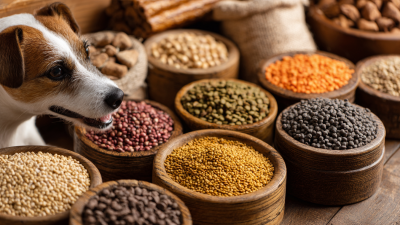
You know, China's pet food scene is really booming right now, and it's catching the eye of folks all around the world. I recently came across Dr. Emily Chen from Pet Nutrition Solutions—she’s quite the expert—and she emphasized just how important quality is when it comes to making pet food. She once said, ‘The real heart of a trustworthy pet food factory is its unwavering focus on safety and proper nutrition.’ It’s a simple idea, but so true, right?
Figuring out what makes a great pet food factory isn’t always straightforward. Things like where they get their ingredients, how they run their manufacturing process, and whether they follow the rules—these all matter. Lots of factories are working hard to meet international standards, which is awesome. But, honestly, not everyone is super transparent about their processes, and that can make consumers a little wary.
As more and more people are looking for pet food, the industry itself is changing quickly. Whether you’re thinking of getting a pet or just want to stay in the loop, it’s key to stay informed. Every factory has its pluses and minuses, so making the right choice takes a bit of digging. If you pay attention to how they manufacture their products, you’ll be better equipped to pick what’s best for your furry friend—because, at the end of the day, they deserve the best, right?

Overview of the Pet Food Industry in China
The pet food industry in China has seen significant growth in recent years. This expansion reflects changing consumer lifestyles and attitudes towards pet ownership. More families now view pets as part of the family. Consequently, they seek quality nutrition for their furry companions.
China's pet food market is projected to reach substantial figures in the coming years. However, challenges remain. Many consumers are still unaware of proper nutrition for their pets. This knowledge gap can lead to poor dietary choices. Education is crucial. Reliable information about pet nutrition must be accessible to all pet owners.
Manufacturers face pressure to produce safe and high-quality products. The competition is fierce, yet some factories struggle with transparency in sourcing ingredients. Consumers increasingly demand traceability. They want to know where their pet food comes from and how it is made. Addressing these concerns is essential for building trust within the market.
Key Players in China's Pet Food Manufacturing Sector
China's pet food manufacturing sector is experiencing rapid growth. According to a recent report, the market valuation is estimated to reach approximately $30 billion by 2025. This growth is driven by the rising pet ownership rates and an increasing interest in premium pet nutrition.
Key players in this sector are diverse, ranging from established companies to emerging startups. They offer a wide variety of products, including dry food, wet food, and treats. A study indicated that over 40% of the revenue comes from dry pet food alone. However, there is a noticeable gap in product innovation for some brands. Many still rely on traditional formulations, which may not cater to the evolving demands of health-conscious pet owners.
Manufacturers face challenges regarding quality control and regulatory compliance. Inconsistent standards can lead to safety concerns. Additionally, sourcing high-quality ingredients remains a struggle for many companies. This can affect overall brand reliability. While some players excel in transparency, others must enhance their practices to build trust with consumers. The pet food industry in China is on a transformative path, yet it must address these critical areas for sustainable growth.
Regulatory Standards and Safety Measures for Pet Food
When considering pet food manufacturing in China, understanding the regulatory standards is essential. China's pet food industry has faced scrutiny over safety. Authorities have established guidelines to ensure products are safe for pets. These regulations focus on ingredient sourcing, testing protocols, and production practices.
Manufacturers must adhere to strict quality control measures. Regular inspections are mandatory. Sampling and testing help identify potential contaminants. Pet food must also meet nutritional standards set forth by authorities. Ensuring these safety measures helps prevent health issues in pets, which can arise from poor-quality products.
Tip: Always look for certifications when buying pet food. Check for quality assurance labels. Research the manufacturing facility if possible. Transparency is key; reputable manufacturers will provide information on their sourcing and production practices.
It's important to reflect on the challenges within the industry. Not all products meet the established safety standards. Some manufacturers may cut corners to reduce costs. Pet owners should remain vigilant about the products they choose. A proactive approach can safeguard your pet's health and well-being.
Trends and Innovations in Chinese Pet Food Production
The pet food industry in China is witnessing rapid evolution. A recent report indicates that the market is projected to reach USD 54 billion by 2025. This growth is influenced by changing consumer behaviors and a growing middle class that prioritizes pet health and nutrition. The demand for premium and specialized diets is on the rise, as pet owners become more informed about dietary needs.
Trends in production focus on sustainability and innovation. Manufacturers are increasingly using plant-based ingredients and eco-friendly packaging. A survey found that 62% of consumers prefer brands that prioritize sustainability. Additionally, the use of technology in processing and quality control is becoming common. Smart manufacturing techniques ensure consistency and safety in pet food products. However, while these advances are promising, there is still a gap in educating smaller manufacturers about these innovations.
The shift towards transparency is noteworthy. Pet owners want to know ingredient sources and nutritional information. Some producers face challenges meeting these expectations and maintaining affordable prices. This dynamic creates opportunities for improvement in production practices and consumer engagement. The industry's future hinges on adapting to these trends while ensuring that product integrity remains uncompromised.
Sourcing Ingredients: Domestic vs. Import Challenges
When sourcing ingredients for pet food in China, manufacturers face unique challenges. Domestic ingredients often promise freshness and lower costs. However, their quality may vary significantly. This inconsistency can lead to concerns about nutrition and safety, impacting the final product.
On the other hand, imported ingredients may offer higher quality and more consistent nutritional profiles. Yet, the process of importing can be complex. Regulations vary between countries, and navigating this landscape requires expertise. Tariffs and shipping delays can increase costs, affecting pricing strategies.
Dependability in sourcing is crucial for pet food manufacturers. A lack of reliable suppliers can diminish trust from retailers and consumers alike. Evaluating supplier practices can be more challenging for imported ingredients. Additionally, manufacturers must remain transparent about their sourcing practices to ensure accountability.
Export Opportunities for Chinese Pet Food Manufacturers
The pet food industry in China holds great promise for exporters. Manufacturers are increasingly focusing on
quality and innovation. Chinese pet food products are gaining global recognition, creating new markets for export.
The demand for premium pet food is rising, especially in North America and Europe.
Exporting pet food does come with challenges. Compliance with international regulations is crucial. Each country has its own standards
for ingredients and labeling. It's essential to stay informed about these requirements. Engage with local authorities to ensure readiness.
Tips: Always conduct market research before exporting. Identify target customers and their preferences. Build
relationships with distributors and retailers in the target market. Understand the competitive landscape to position your products effectively.
Adapt packaging and marketing strategies to local cultures and trends.
Consumer Preferences and Market Dynamics in China
The pet food market in China is evolving rapidly. Recent studies indicate that the industry is expected to reach a value of approximately $18 billion by 2025. This signifies a robust growth rate, driven by changing consumer preferences. A significant factor is the increasing awareness of pet nutrition. More pet owners are seeking high-quality, natural ingredients for their pets.
Research shows that over 70% of Chinese consumers prefer premium pet food with high protein content. They are willing to pay more for products that promise better health benefits. This shift towards premiumization reflects a broader trend of pet humanization. Pets are seen as family members, resulting in increased spending on their well-being. However, this trend brings challenges. Not all manufacturers can maintain quality while expanding production.
Market dynamics are further influenced by the rise of e-commerce. Online shopping accounts for nearly 45% of pet food sales in China. Despite the convenience, concerns about product authenticity and quality remain. Some online platforms lack strict vetting processes. This creates an environment where fake products can thrive. The industry must address these issues to build consumer trust. Addressing the balance between convenience and quality will be crucial for future growth.
Top Pet Food Factory in China - Consumer Preferences and Market Dynamics
| Category |
Consumer Preference (%) |
Market Growth Rate (%) |
Average Price (CNY) |
| Dry Dog Food |
45% |
10% |
150 |
| Wet Dog Food |
25% |
12% |
80 |
| Dry Cat Food |
30% |
8% |
120 |
| Wet Cat Food |
20% |
15% |
95 |
| Raw Pet Food |
10% |
5% |
200 |
Revitalizing Your Pet's Diet: Introducing LSR-03 Rabbit Heart Bites for Healthier Eating Habits
Revitalizing your pet's diet is essential for their overall health and well-being. One innovative way to enhance their eating habits is by introducing high-quality protein sources, such as Rabbit Heart Bites. These treats are designed to support a balanced diet, catering to the nutritional needs of your furry companion. With a crude protein content of at least 30%, they offer an excellent source of energy and nourishment, ensuring your pet stays active and healthy.
Not only are Rabbit Heart Bites rich in protein, but they also feature a composition that includes low levels of crude fat and fiber, making them suitable for pets with specific dietary requirements. With a moisture content not exceeding 18%, these bites maintain freshness and palatability, encouraging healthier eating habits. The carefully selected ingredients contribute to a wholesome diet, promoting not just good taste but also overall wellness in pets. By incorporating such nutrient-dense treats into their daily meals, you can help ensure your pet enjoys a vibrant, energetic life.
FAQS
: Changing consumer lifestyles and increased pet ownership are significant factors driving growth.
Many pet owners lack knowledge about proper nutrition, which can lead to poor dietary choices.
Education about pet nutrition is crucial for all pet owners to make informed choices.
Consumers demand transparency and traceability in sourcing ingredients for pet food.
Over 40% of the pet food revenue comes from dry food, indicating its popularity.
Strict quality control, regular inspections, and adherence to nutritional standards are essential.
No, some products may not meet safety standards, and manufacturers may cut corners.
Look for quality assurance labels and research the manufacturer for transparency.
Many struggle with quality control and sourcing high-quality ingredients, affecting reliability.
Being vigilant about product choices can protect pets' health and well-being.
Conclusion
The pet food industry in China is experiencing rapid growth, driven by changing consumer preferences and a burgeoning pet ownership culture. Key players in the pet food manufacturing sector are leveraging innovative production techniques, while adhering to stringent regulatory standards and safety measures. The dynamics of sourcing ingredients present challenges, with manufacturers balancing domestic and import options to meet quality and cost expectations.
Additionally, emerging trends in pet food production highlight a focus on nutritional value and sustainability, catering to the evolving demands of pet owners. Chinese pet food factories are increasingly looking towards export opportunities, further integrating into the global market. Understanding these aspects is essential for stakeholders aiming to navigate the complexities of this thriving industry.