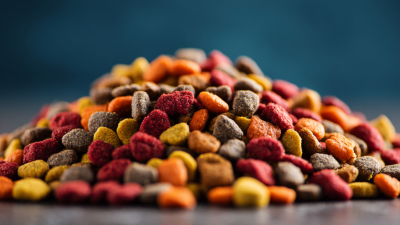
Picking out the best chicken snacks for your beloved pets can be quite a task, right? I mean, with so many options out there, it's easy to feel overwhelmed. Dr. Amanda Paws, a well-known expert in pet nutrition over at Pure Pet Foods, often reminds folks, 'Not all chicken snacks are made equal.' So true! It’s super important to know not just what tastes good, but what’s actually good for your furry friend’s health too.
When you're choosing high-quality chicken snacks, always put nutrition first. Look for treats made with real chicken—skip those by-products! Ingredients like added vitamins and minerals are a plus because they help support your pet’s overall well-being. Some snacks even have probiotics included, which are great for digestion. But here's the thing—sometimes those benefits aren’t clearly labeled, so it pays to read the packaging carefully.
And don’t forget to think about your pet’s individual needs. Some pups or kitties might have allergies or sensitivities, making it a bit trickier to find the right treat. Avoid anything with fillers or artificial crap—that’s usually a red flag. It might take a little time and some trial and error, but trust me, it’s worth it to find a snack that your pet gets excited about while staying healthy and happy. After all, that’s what we’re really after, right?
When selecting chicken pet snacks, nutritional benefits are key. Chicken is a powerful source of protein. This nutrient is essential for muscle development and overall health. Proteins play a role in the repair of tissues and make a strong coat. However, not all chicken snacks are created equal. Some may contain fillers or artificial additives, which can be harmful. Always check the ingredient list for quality assurance.
Chicken snacks can also provide vitamins and minerals crucial for pets. They often contain B vitamins, which help with energy metabolism. Notably, niacin promotes healthy skin and a shiny coat. However, high-fat content snacks can lead to weight gain. Moderation is essential. It's important to balance these treats within your pet’s overall diet.
Additionally, consider your pet’s specific needs. Some pets may have allergies or sensitivities. While chicken is generally safe, individual reactions vary. Always observe your pet after introducing new treats. Make choices that keep both nutritional value and enjoyment in mind. Finding the right balance may take time. Your pet’s health is worth it.
Choosing the right chicken snacks for your pets can be overwhelming. Many options are available, each serving a unique purpose. You can find treats that cater to your pet's taste while also providing essential nutrients. Chews are another popular choice; they not only satisfy your pet's chewing instincts but also help maintain dental health.
Treats often come in various flavors and textures. They can be small, crunchy bites or soft, chewy pieces. Your pet might prefer one type over another. Experimenting with different styles can lead to a delightful discovery. Some owners find it beneficial to observe their pets' reactions to each snack.
Chews can range from rawhide alternatives to chicken-flavored dental sticks. These offer not just enjoyment but also functional health benefits. Supplements featuring chicken or chicken extracts are another option. They can help support joint health or improve skin and coat condition. Each type has its pros and cons, and selecting the best option can require some thought. It’s crucial to read labels carefully and consult with pet care professionals.
Choosing the right chicken pet snacks can be challenging. Focus on the ingredients for quality assurance. Look for real chicken as the primary ingredient. This ensures your pet gets essential protein. Proteins help maintain muscle mass and support overall health.
Avoid products with fillers and artificial additives. Ingredients like corn or soy can be harmful. They offer little nutritional value and may cause allergies. High-quality snacks may include natural preservatives. These are safer for your pets in the long run.
Consider the source of the ingredients too. Organic or free-range chicken is typically a better choice. It often indicates higher nutritional quality. Check for certifications on the packaging. This adds to the reliability of the snacks you choose. Always stay informed about ingredient choices. Learning about pet nutrition can improve your decisions.
Choosing the right chicken pet snacks begins with understanding your pet's dietary needs. Every pet is unique, with different nutritional requirements. You should consider their age, size, and health conditions. A young, active dog may need higher protein content compared to an older, less active pet. Some pets also have specific allergies. Identifying these will help you avoid harmful ingredients.
Next, consider your pet's taste preferences. Observing their reactions to different flavors can provide insights into what they enjoy. Some pets may prefer softer treats, while others enjoy crunchy snacks. Texture can influence their willingness to try new foods. Keep a record of what they like and dislike. Experimentation is key, but be cautious about introducing too many new snacks at once. It can upset their stomach.
Reflecting on your choices is important. Are you selecting snacks because they are popular or because they are right for your pet? Sometimes our biases can cloud judgment. Seeking advice from a veterinarian can guide you in making better choices. Their expertise can help you find the perfect balance of flavors and nutrients for your companion.
When selecting chicken pet snacks, reading labels is crucial. Avoid snacks containing artificial preservatives such as BHA and BHT. Research from the Association of American Feed Control Officials (AAFCO) emphasizes the potential health risks of these additives. Look for all-natural ingredients whenever possible.
Be cautious about the source of chicken meat. The quality can vary significantly. Some low-cost snacks may contain meat from questionable origins. A report by Pet Food Institute highlights that pet owners should prioritize snacks made from USDA-inspected chicken. This guarantees higher standards of safety and nutrition.
Tips: Check for a short ingredient list. Simplicity often indicates quality. Additionally, avoid products with fillers like corn or wheat. These ingredients provide little nutritional value. Consider your pet's specific dietary needs. Not all chickens are raised or processed the same way. Make sure the snacks align with your pet’s health goals.
Introducing new chicken snacks to your pet can be an exciting experience. Many pets may be curious but cautious when they encounter something new. A gradual introduction helps them adjust better. Start by offering a small piece of the new snack. Monitor their reaction closely. This method allows you to see if they enjoy the flavor without overwhelming them.
A study from the American Veterinary Medical Association found that about 30% of pets show signs of food aversion. This emphasizes the need for a slow approach. You might notice signs such as sniffing or hesitancy. If your pet shows reluctance, revisit their preferences. Consider mixing the new snack with their regular food. This can ease their transition and encourage acceptance.
Providing a variety of textures and flavors is also beneficial. Research suggests that pets enjoy diversity in their diet. However, ensure changes are gradual. Too much variety at once may lead to digestive issues. Prioritize your pet's well-being. Always consult with a veterinarian when unsure about dietary changes. Their expertise can guide you in making the best choices for your furry friends.
Choosing the right size and texture for chicken pet snacks is crucial for your beloved pets.
Different breeds have unique needs. For example, small breeds may struggle with larger pieces.
Understanding their size helps prevent choking hazards. According to the Pet Food Industry Report,
55% of pet owners emphasize the importance of appropriate snack sizes.
Texture plays a significant role too.
Crunchy snacks can aid in dental health, while soft snacks may suit older pets with dental issues.
Research indicates that 70% of pet owners choose snacks based on their pet's chewing ability.
So, consider your pet's age and dental condition when selecting treats.
Pet snacks should be enticing yet safe. Too hard or too large can lead to discomfort.
Regularly assess how your pet reacts to new snacks. This practice helps you understand their preferences
while avoiding potential issues. Recognition of your pet's unique needs enhances their snack time experience.
The LSV-07 Kiwi Chip Twined by Chicken Pet Snacks offers a delightful fusion of nutrition and flavor that caters specifically to our beloved pets. Utilizing high-quality chicken, the primary ingredient, these snacks provide a robust source of crude protein, ensuring that pets receive the essential nutrients they need for muscle maintenance and overall health. With a crude protein content of 25% or more, these treats are an excellent option for pet owners looking to enhance their furry friends' diet.
In addition to the protein-packed chicken, the inclusion of kiwi introduces a unique flavor profile that pets will find irresistible. Kiwi not only adds a refreshing taste but is also packed with vitamins and antioxidants, supporting pets' immune health. The careful formulation, with a low crude fat content of 2% and minimal moisture, ensures that these treats remain wholesome and healthy while also being palatable. Furthermore, with a shelf life of 18 months, these snacks are perfect for stockpiling without compromising on freshness. Whether used as a training reward or a special treat, this combination of chicken and kiwi makes for a nutritious indulgence that pets will love.
: Consider your pet's age, size, and health conditions. Each pet has unique nutritional requirements.
Choose snacks with all-natural ingredients. Avoid those with artificial preservatives like BHA and BHT.
Observe their reactions to different flavors and textures. Keep a record of their likes and dislikes.
Yes, appropriate sizes prevent choking hazards, especially for small breeds.
Texture can influence your pet's enjoyment and aid in dental health, especially for older pets.
Take time to experiment carefully. Avoid introducing too many new items at once to prevent stomach upset.
Yes, a veterinarian can provide valuable guidance on the best snacks for your pet’s needs.
Check for short ingredient lists and focus on snacks made from USDA-inspected chicken for better safety.
Our biases might cloud judgment. Reflect on whether the snacks truly fit your pet’s needs.
Avoid snacks with fillers like corn or wheat. They offer little nutritional value to your pet.
When selecting the best Chicken Pet Snacks for your furry companions, it's essential to understand their nutritional benefits and the various types available, including treats, chews, and supplements. Quality chicken snacks should include key ingredients that meet your pet's dietary needs and preferences. Assessing your pet's specific requirements is crucial, as it ensures that the snacks you choose not only please their palate but also contribute to their overall health.
Reading labels is equally important, as it allows you to identify harmful additives to avoid. Introducing new chicken snacks gradually can help ensure a smooth transition, while also considering the appropriate size and texture suitable for your pet’s breed enhances their enjoyment. By keeping these factors in mind, you can make informed decisions that promote your pet’s well-being through healthy and tasty Chicken Pet Snacks.